30 Jul 2026 4 min read
Nurturing Soil Health Naturally for a Thriving Garden
Every thriving garden starts underground. Long before a single leaf unfurls or a flower opens, the real work happens in the soil — where nutrients, microbes, and moisture come together to feed everything above ground. If you’ve ever wondered why some gardens flourish effortlessly while others struggle no matter how much you water or prune, the answer almost always traces back to soil health.
Healthy soil isn’t just dirt. It’s a living ecosystem, home to billions of microorganisms that break down organic matter, regulate pH, and make nutrients available to plant roots. When that ecosystem is out of balance, plants show it — through yellowing leaves, stunted growth, or a general lack of vigor no fertilizer alone can fix.
Why Soil Health Matters More Than You Think
Conventional chemical fertilizers can offer a quick nutrient boost, but they don’t build soil — they borrow from it. Over time, heavy reliance on synthetic inputs can deplete organic matter, disrupt beneficial microbial life, and leave soil compacted and lifeless. That’s why more home gardeners are turning to natural, sustainable ways to improve soil health rather than chasing short-term fixes.
The good news: nurturing soil naturally doesn’t require complicated science. It requires consistency, the right organic inputs, and a little patience.
How to Improve Soil Health Naturally
1. Feed the Soil, Not Just the Plant
The single most effective habit for natural soil fertility is regularly adding organic matter. This is where a good organic soil amendment — like vermicompost — becomes indispensable.
2. Use Vermicompost for Soil Enrichment
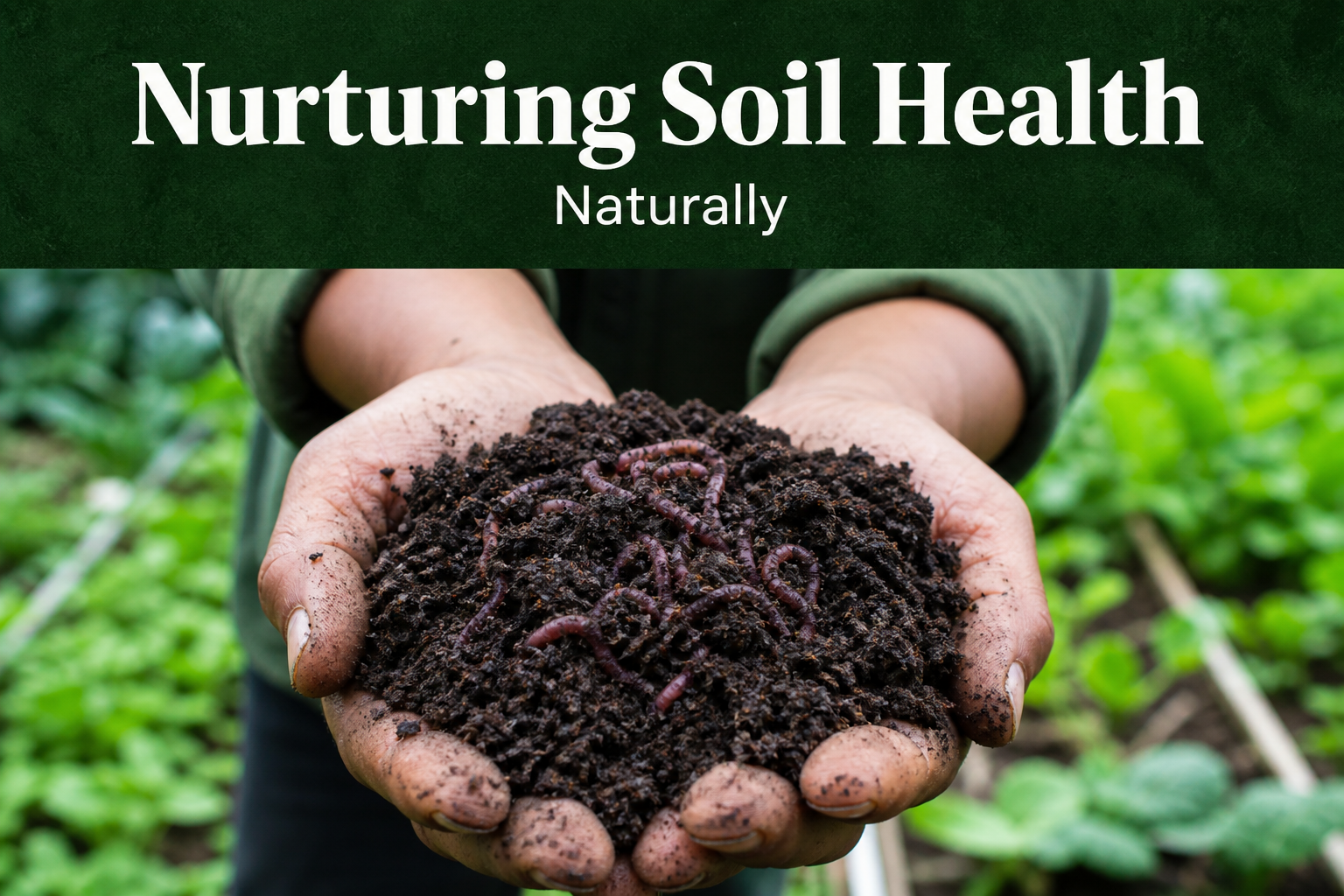
Vermicompost, produced by earthworms breaking down organic waste, is one of the richest and gentlest organic soil amendments available to home gardeners. It’s packed with nutrients your plants can absorb immediately, along with beneficial microbes that continue improving soil structure long after application. Unlike raw compost, vermicompost is fully decomposed, odour-free, and safe to use directly around root zones — making it an easy, low-maintenance way to build soil health season after season.
3. Protect Soil Structure
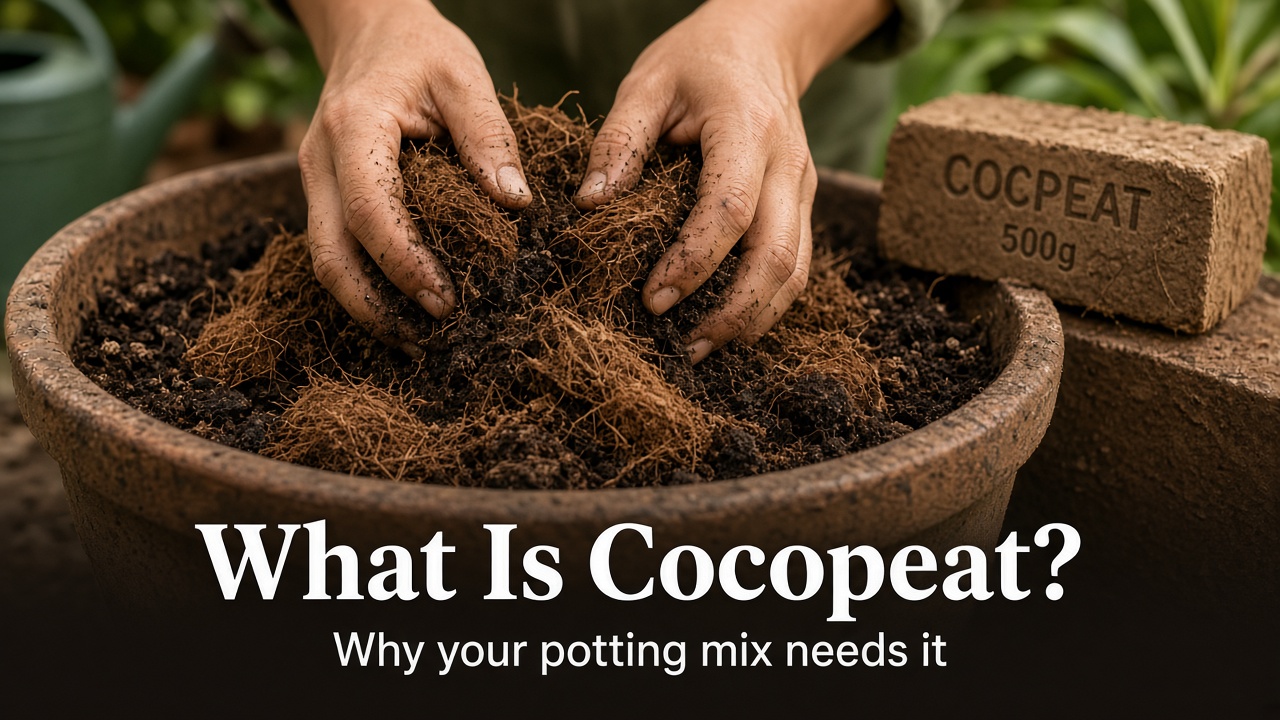
Healthy soil should be loose, crumbly, and well-aerated — never compacted. Avoid walking on garden beds, and consider mixing in materials like cocopeat or perlite alongside vermicompost to improve aeration and drainage. For a deeper look at drainage-friendly mixes, see Solving Soil Drainage Issues with Potting Mix and Perlite.
4. Maintain Consistent Moisture
Soil life needs moisture to function. Overly dry or waterlogged soil slows microbial activity and stresses root systems. Mulching and well-draining potting mixes both help maintain the moisture balance that supports natural soil fertility.
5. Rotate and Diversify What You Grow
Just like in nature, variety keeps soil balanced. Rotating crops or interplanting different species prevents any single nutrient from being exhausted and encourages a more resilient microbial community.
The Long-Term Payoff
Building soil health naturally is a slower process than reaching for a chemical fertilizer, but the results compound. Season after season, soil enriched with organic matter becomes more fertile, retains water more efficiently, and supports stronger root systems — meaning healthier plants with less intervention from you.
If you’re serious about growing a garden that thrives year after year, start where it matters most: the soil beneath your feet.
FAQs
How often should I add vermicompost to improve soil health?
For potted plants, every 15–20 days works well. For garden beds or lawns, once a month is generally sufficient.
Can I use vermicompost with other organic soil amendments?
Yes. Vermicompost blends well with cocopeat, neem powder, and other organic inputs for a more complete soil-building routine.
Is vermicompost safe for all plant types?
Yes — vermicompost is gentle and effective for vegetables, herbs, flowering plants, indoor plants, and fruit trees alike.