12 Sept 2026 5 min read
Cocopeat: What It Is and Why Your Potting Mix Needs It
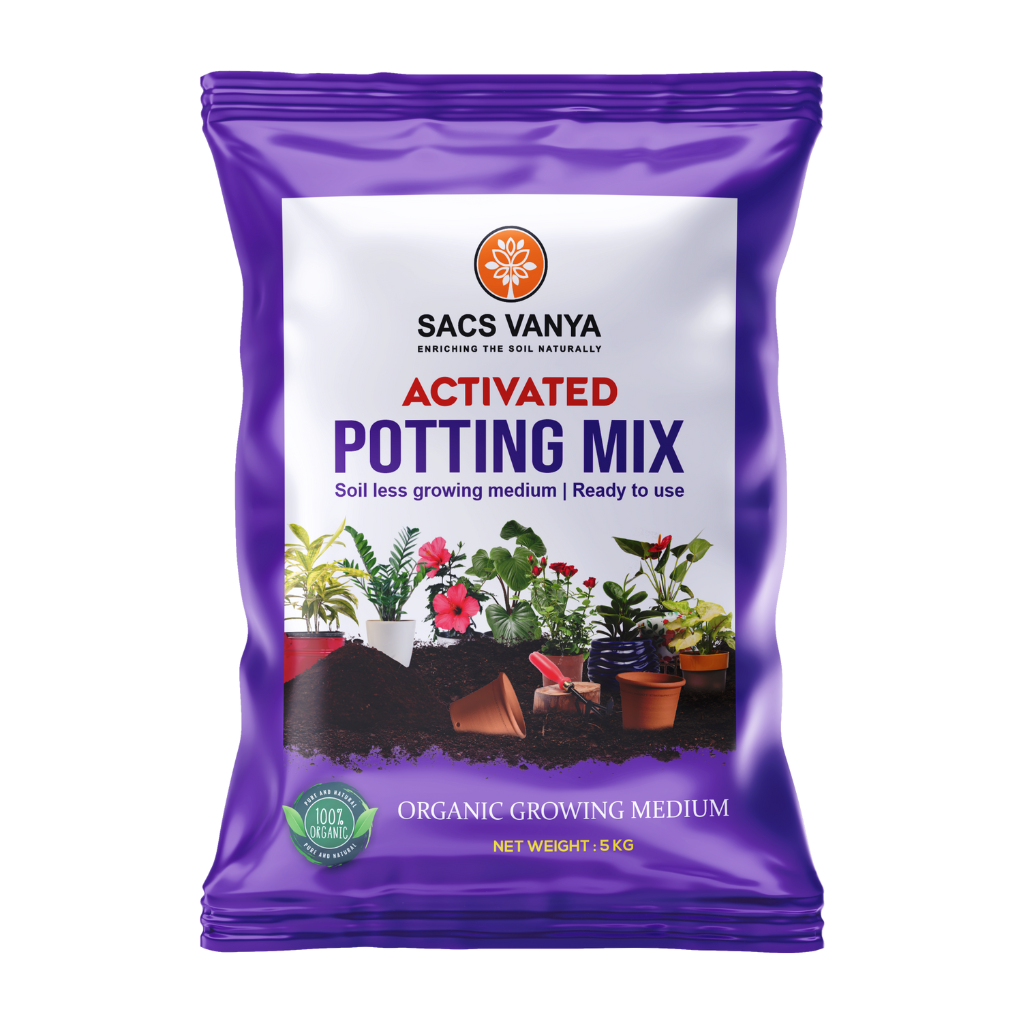
If you’ve bought a bag of potting mix recently, chances are cocopeat was one of the main ingredients listed — often before soil itself. For a material most gardeners have heard of but few can actually explain, cocopeat plays an outsized role in why potted plants thrive or struggle. Here’s what cocopeat is, what it does, and how to use it correctly.
What Is Cocopeat?
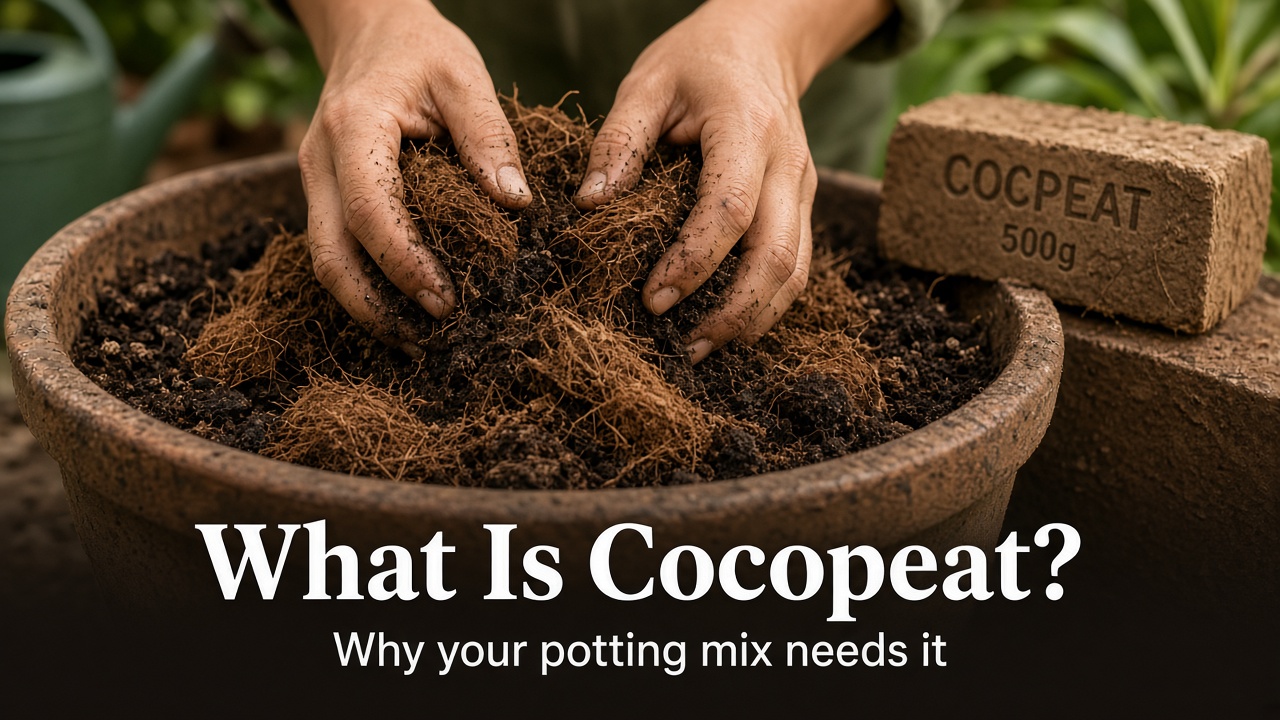
Cocopeat, also called coco coir or coir pith, is a natural by-product of coconut husk processing. Once considered a waste material from the coconut fibre industry, it’s now one of the most widely used growing mediums in horticulture, prized for how it behaves compared to regular garden soil.
In its raw form, cocopeat is sold as compressed bricks or blocks that expand significantly once soaked in water — a small block can expand into several litres of loose, fluffy growing medium.
Why Potting Mixes Rely on Cocopeat
Garden soil alone is often too dense and heavy for containers. It compacts over time, drains poorly, and can suffocate roots in a pot. Cocopeat solves several of these problems at once:
- Excellent water retention — holds moisture significantly longer than regular soil, reducing how often you need to water
- Improved aeration — its light, fibrous structure keeps soil loose, letting roots breathe
- Neutral pH — unlike some organic materials, cocopeat has a near-neutral pH, making it safe for most plant types
- Slow to break down — unlike compost, cocopeat doesn’t decompose quickly, so it maintains soil structure for a long time
- Reusable — cocopeat can be rinsed and reused across multiple growing cycles, unlike soil that compacts permanently
Cocopeat vs Soil: What’s the Difference
| Garden Soil | Cocopeat | |
|---|---|---|
| Water retention | Variable, often poor in pots | Excellent |
| Aeration | Can compact easily | Stays light and airy |
| Nutrients | Contains some nutrients | Nutrient-free on its own |
| Weight | Heavy | Very lightweight |
| Best used as | A base layer in garden beds | A structural component in potting mix |
Note that cocopeat on its own contains almost no nutrients — it’s a structural ingredient, not a fertilizer. This is why it’s almost always combined with something like vermicompost to provide the actual nutrition plants need.
How to Prepare Cocopeat
- Soak the compressed block in water — a standard brick typically expands into 3–4 times its dry volume.
- Break it up by hand once fully expanded, removing any hard, unsoaked chunks.
- Drain excess water so the cocopeat is moist but not waterlogged before mixing it into your potting blend.
- Rinse if reusing — if cocopeat has been used in a previous growing cycle, rinse it thoroughly to remove old salts or residues before reuse.
Cocopeat Potting Mix Ratio
For most home garden potting mixes, a general starting ratio is:
- 40–50% cocopeat — for structure, aeration, and moisture retention
- 30–40% vermicompost or compost — for nutrition
- 10–20% perlite or sand — for additional drainage
This ratio can shift depending on the plant. Moisture-loving plants can handle a higher cocopeat ratio, while succulents and cacti do better with more perlite and less cocopeat overall.
Not sure how much mix your pots need? Try the Potting Mix Pack Size Calculator or Vermicompost Dosage Calculator.
Common Mistakes When Using Cocopeat
- Using it undiluted as the entire potting medium — since it has no nutrients on its own, plants grown in pure cocopeat will eventually show deficiencies without added compost or vermicompost
- Skipping the rinse step when reusing — old cocopeat can carry salt buildup from previous fertilizer applications, which can affect new plants
- Overwatering — because cocopeat retains moisture so well, it’s easy to overwater plants grown in cocopeat-heavy mixes; check moisture before each watering rather than following a fixed schedule
FAQs
Is cocopeat better than soil for potted plants?
For containers specifically, yes — cocopeat’s lighter structure and superior water retention generally outperform garden soil, which tends to compact in pots over time.
Does cocopeat have any nutrients?
Very few. Cocopeat is primarily a structural ingredient for aeration and moisture retention, so it should be combined with vermicompost or compost to provide actual plant nutrition.
Can I reuse cocopeat from an old pot?
Yes, cocopeat can be reused several times. Rinse it well to remove old salts or residues, then mix it with fresh compost before reusing.
What is a good cocopeat to vermicompost ratio?
A common starting point is roughly 40–50% cocopeat to 30–40% vermicompost, adjusted based on plant type and drainage needs.