15 Sept 2026 5 min read
How to Grow Tulsi at Home: A Simple Care Guide
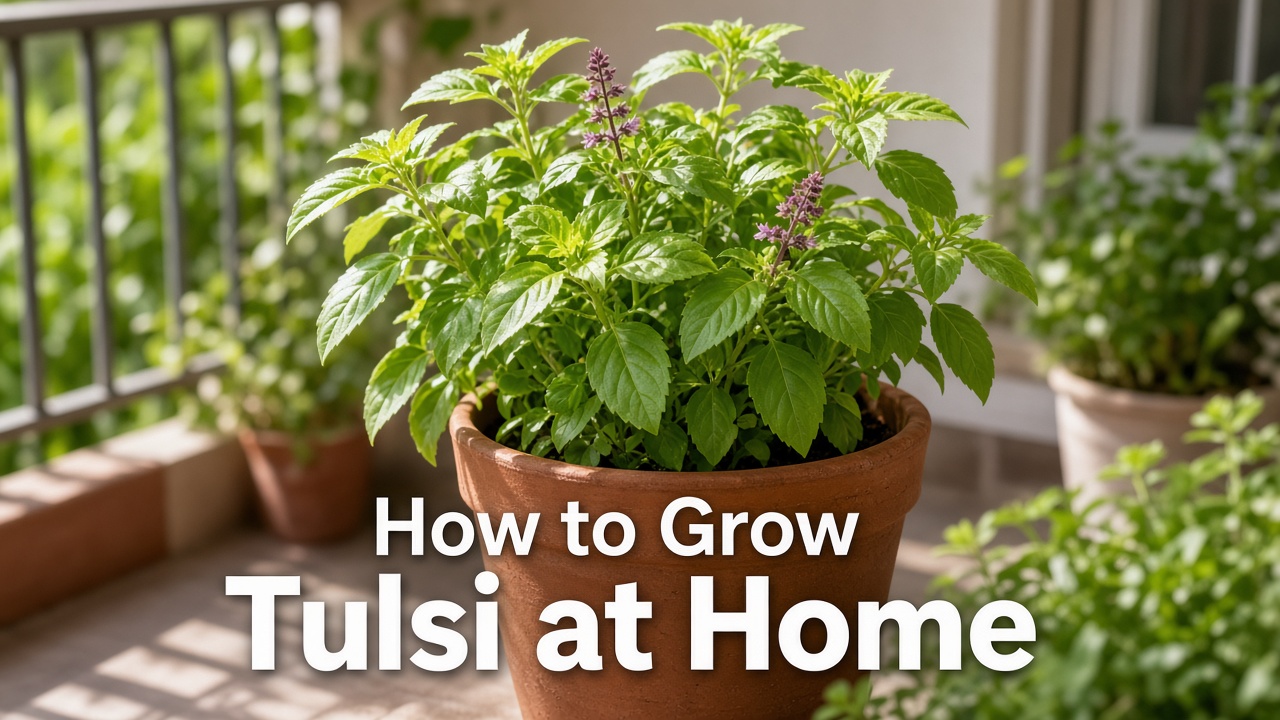
Tulsi is one of the most commonly grown plants in Indian homes, valued for its fragrance, its place in daily rituals, and its reputation as a low-maintenance addition to any balcony or courtyard. Despite being easy to grow, tulsi plants often struggle in home gardens due to a few avoidable mistakes — mostly around watering and sunlight. Here’s how to grow tulsi at home the right way, from planting to ongoing care.
Choosing How to Start: Seeds or Cuttings
From seeds: Tulsi seeds are small and slow to establish but widely available and inexpensive. Germination typically takes 1–2 weeks in warm conditions.
From cuttings: A healthy stem cutting from an existing tulsi plant roots quickly in water or moist soil, making this the faster route if you have access to an established plant.
Both methods work well for home gardeners — cuttings simply save a few weeks compared to starting from seed.
Tulsi Soil Requirements
Tulsi prefers a light, well-draining soil mix rather than dense garden soil, which can hold too much moisture around the roots. A good base mix combines:
- Regular potting soil or garden soil
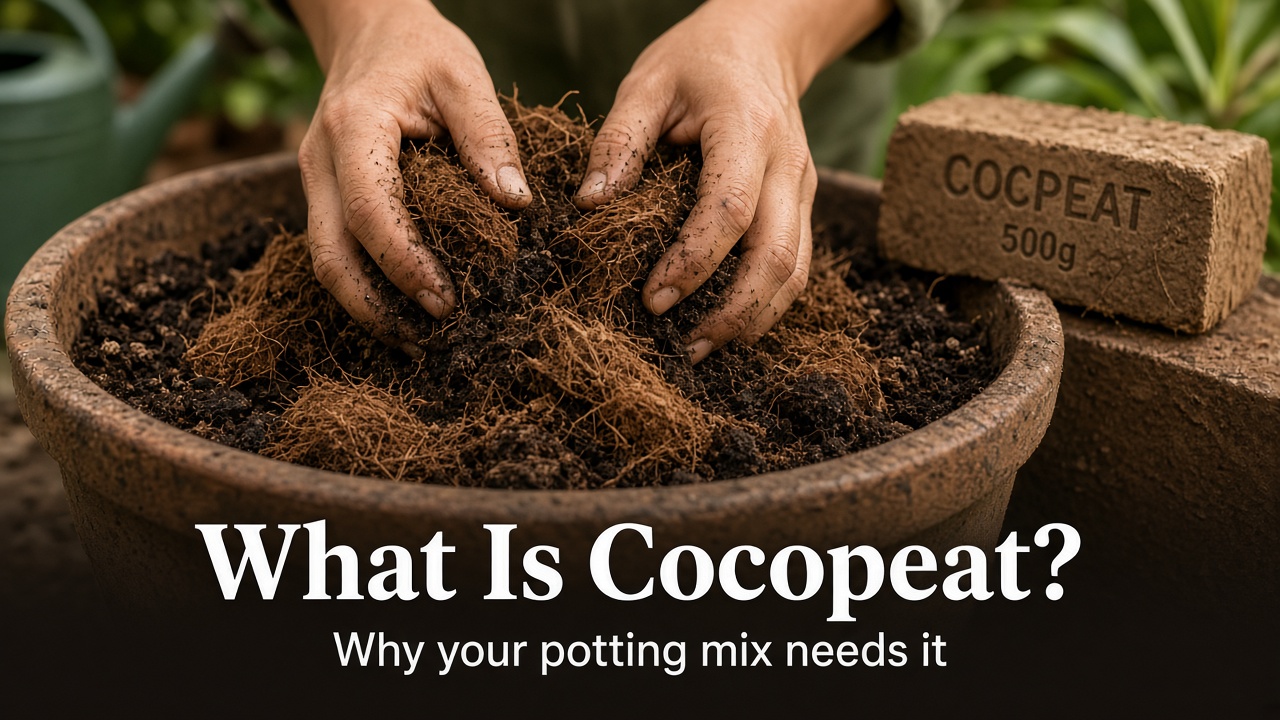
- Cocopeat for aeration and moisture balance
- A portion of vermicompost for steady nutrition
Avoid soil that stays waterlogged after watering — tulsi is sensitive to overly wet roots, and prolonged dampness is one of the most common reasons tulsi plants decline.
Sunlight Requirements
Tulsi needs plenty of direct sunlight — ideally at least 6 hours a day. Plants grown in low light tend to become leggy, with sparse leaves and weak stems. If growing tulsi indoors or in a heavily shaded balcony, place it in the brightest spot available, such as a south- or east-facing window.
How to Water Tulsi Correctly
Tulsi prefers consistent moisture without staying waterlogged. A simple rule: water when the top inch of soil feels dry to the touch, rather than following a fixed daily schedule. Overwatering is a far more common problem than underwatering, especially in pots without adequate drainage holes.
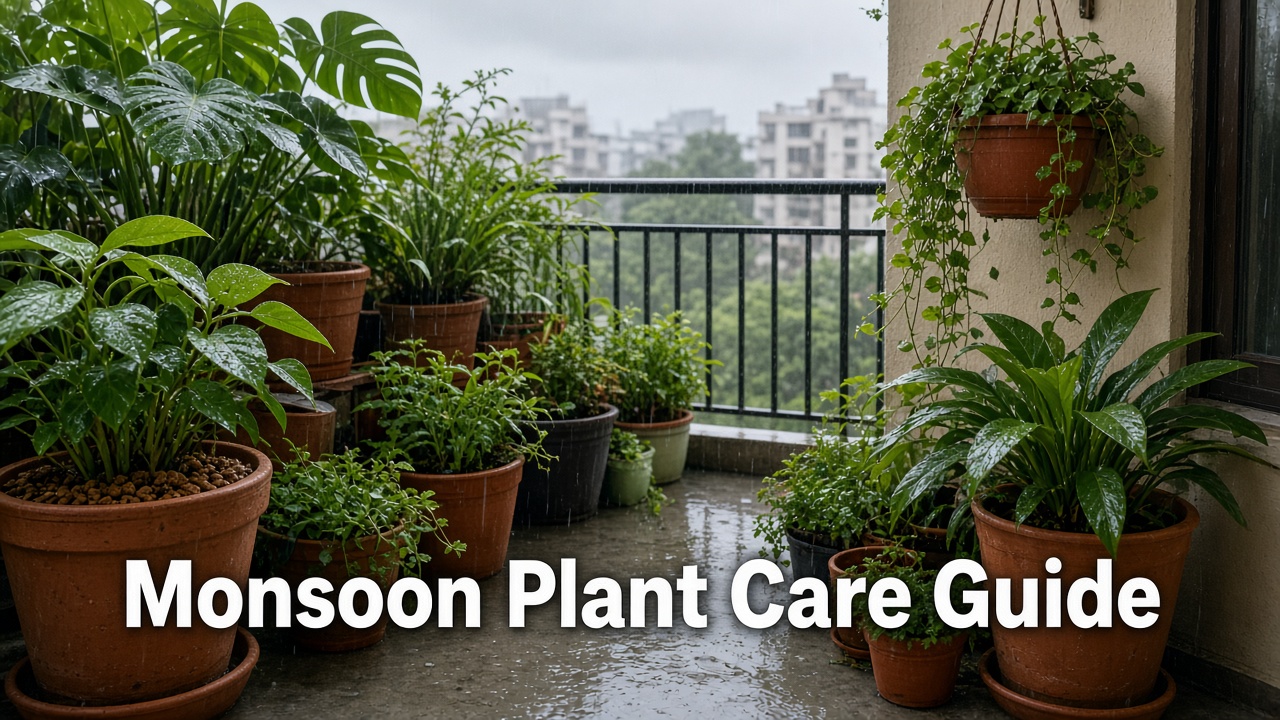
During monsoon or humid periods, reduce watering frequency significantly, since natural humidity and rainfall already keep soil moist longer than usual.
Growing Tulsi in Pots
For growing tulsi in pots, choose a container with good drainage holes and enough depth to support root growth — at least 8–10 inches deep for a mature plant. Terracotta pots work particularly well, since their porous material helps prevent water from sitting around the roots.
Repot young tulsi plants into a larger container once they outgrow their initial pot, typically after the first few months of steady growth.
Feeding Tulsi
Tulsi doesn’t require heavy feeding, but a light, regular routine supports fuller, bushier growth:
- Mix vermicompost into the soil at planting.
- Reapply a light layer of vermicompost every 4–6 weeks during active growing months.
- Avoid heavy nitrogen feeding, which can produce leggy growth with fewer aromatic oils in the leaves.
Pruning and Maintenance
Regular light pruning encourages tulsi to grow bushier rather than tall and sparse. Pinching off flower buds (called manjari) as they appear redirects the plant’s energy back into leaf growth, extending the plant’s productive life — though many households choose to let some flowers develop for their own reasons.
Common Tulsi Growing Problems
- Yellowing leaves → usually overwatering or poor drainage; check soil moisture and drainage holes first
- Leggy, sparse growth → almost always insufficient sunlight; move to a brighter spot
- Wilting despite watering → often a sign of root stress from waterlogged soil rather than underwatering
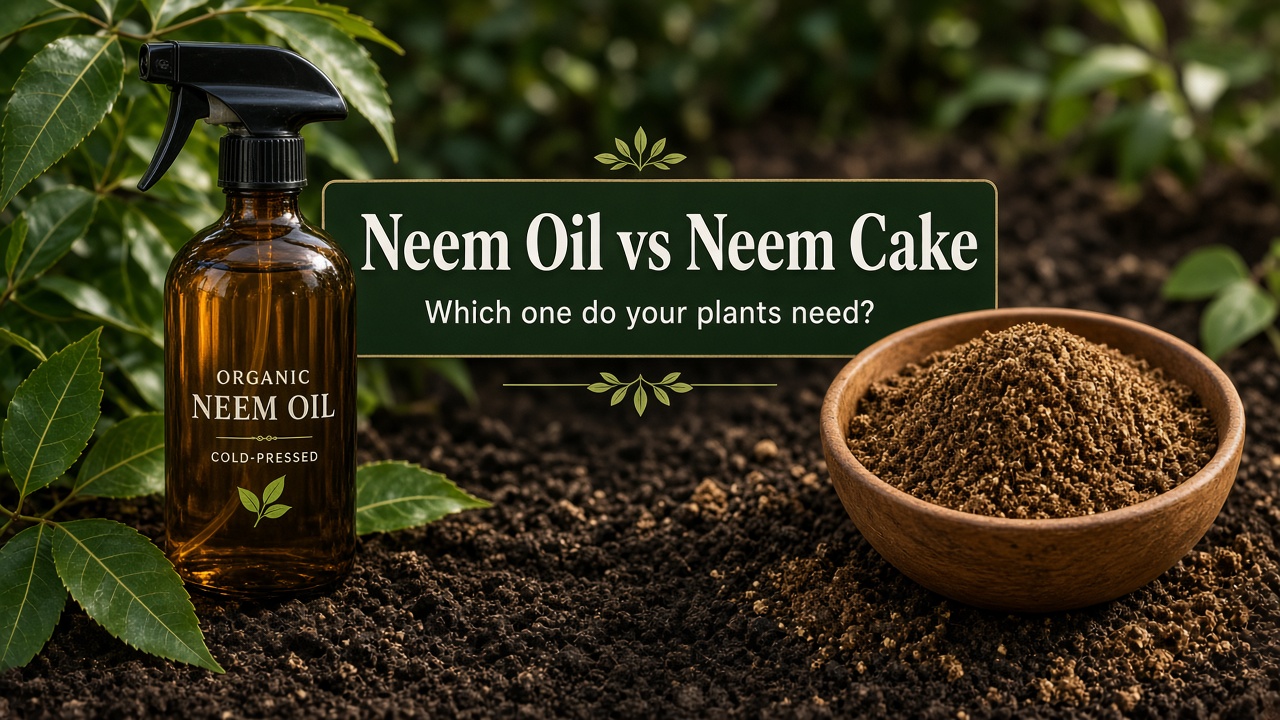
- Pest issues → aphids and mealybugs occasionally appear on tulsi; a diluted neem oil spray handles most infestations naturally
FAQs
How long does tulsi take to grow from seed?
Germination typically takes 1–2 weeks, with the plant reaching a usable size for harvesting leaves within 2–3 months under good sunlight and care.
Can tulsi grow indoors?
Yes, but it needs a very bright spot, ideally near a south- or east-facing window, since tulsi requires significant direct sunlight to grow well.
How often should I water my tulsi plant?
Water when the top inch of soil feels dry rather than on a fixed schedule — tulsi prefers consistent moisture but doesn’t tolerate waterlogged soil well.
Why is my tulsi plant turning yellow?
Yellowing is most often caused by overwatering or poor drainage. Check that the pot has adequate drainage holes and allow the soil to dry slightly between waterings.