15 Jul 2026 6 min read
What Is Vermiwash? Nature's Liquid Fertilizer, Explained
If you’ve started exploring organic ways to feed your plants, chances are you’ve come across vermicompost already. Vermiwash is its lesser-known liquid cousin — a weekly plant tonic that works alongside vermicompost rather than replacing it. Once you understand what it does, it’s easy to see why more gardeners and farmers are adding it to their routine.
This guide covers what vermiwash actually is, how it’s made, what’s in it, how to use it correctly, and what it costs in India. At SACS Vanya, our organic plant tonic — Dilute & Spray Vermiwash — is ready to use straight out of the bottle, so if you’d rather skip the DIY setup, you can pick some up directly.
What Is Vermiwash?
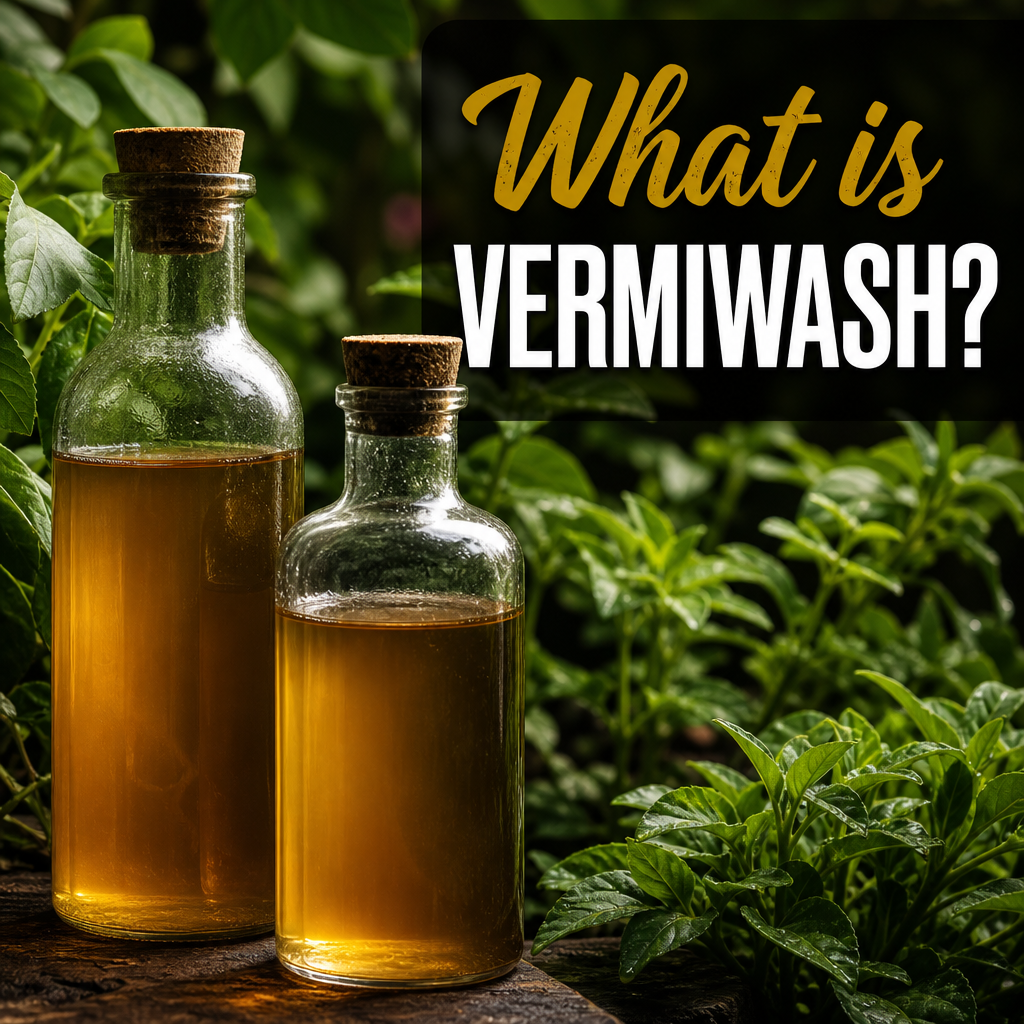
Vermiwash is a liquid organic fertilizer collected as water passes slowly through a bed of vermicompost where earthworms are actively working. As the water trickles through the worm castings and organic matter, it picks up live microbes, nutrients, and natural plant hormones along the way — and drains out as a light brown, nutrient-rich liquid.
In simple terms: if vermicompost is the solid output of earthworm composting, vermiwash is the liquid extract of that same process.
What Vermiwash Actually Does
The live microbes present in vermiwash enhance a plant’s ability to absorb nutrients and grow healthier — both through the leaves and the roots. Unlike solid fertilizers that need to break down first, vermiwash’s nutrients are already water-soluble, so uptake is fast.
Perfect for All Plant Types
One of vermiwash’s biggest advantages is versatility. It works as a vermiwash for plants across nearly every category in a home garden or farm:
- Flowering plants — supports bud development and flower retention
- Fruiting plants — encourages more flowers to set into fruit
- Vegetable plants — strengthens overall vigor through the growing season
- Indoor and outdoor plants — safe for both container and open-ground use
- Seedlings — gently supports early root and shoot development without overwhelming young plants
Vermiwash + Vermicompost: Why Use Both
Vermiwash and vermicompost aren’t competing products — they’re complementary, and using them together gives noticeably better results than either alone.
| Activated Vermicompost | Vermiwash |
|---|---|
| Feeds the soil nutrients | Stimulates plant growth |
| Long-term nutrient source | Quick-acting plant tonic |
| Slow, steady nutrient release | Fast absorption through leaves & roots |
| Improves soil structure | Enhances microbial activity |
Think of vermicompost as the foundation — building long-term soil fertility — and vermiwash as the weekly boost that keeps plants actively performing in between.
Vermiwash Preparation: How It’s Made
- Set up a container — a drum, tank, or bucket with a tap or outlet near the bottom.
- Layer the base — small stones or gravel for drainage, then a mesh or coir filter layer.
- Add the vermicompost bed — partially decomposed organic waste with earthworms (typically Eisenia fetida or Eudrilus eugeniae).
- Pour water slowly at the top and let it trickle through over several hours.
- Collect the liquid as it drains from the bottom outlet.
The process typically takes 24–48 hours per batch, and the same bed can be reused across multiple cycles as long as earthworms and organic matter are replenished.
Vermiwash Nutrient Content
- Macronutrients: nitrogen, phosphorus, and potassium in soluble, plant-available form
- Micronutrients: calcium, magnesium, zinc, and other trace elements
- Plant growth hormones: auxins, gibberellins, and cytokinins
- Beneficial microorganisms: bacteria, fungi, and actinomycetes
- Enzymes and vitamins that aid absorption
Benefits of Vermiwash
- Boosts plant growth through natural hormones
- Improves disease resistance via beneficial microbes
- Works both as a foliar spray and soil drench
- Chemical-free and safe for edible plants
- Fast-acting compared to solid fertilizers
How to Use Vermiwash (Correct Dilution & Routine)
- Dilute — Mix the vermiwash concentrate with water at a 1:5 ratio (e.g., pour the bottle’s contents into 2 litres of water for a standard pack).
- Spray — Transfer the diluted solution into a spray bottle and apply evenly across the leaves. The diluted solution can be stored and used for the next application.
- Reapply — Repeat once every 7 days for best results.
- Soil application (optional) — Water the plant first, then pour diluted vermiwash onto the soil. Repeat weekly for healthy root growth.
Spraying is generally most effective in the early morning or evening, avoiding peak heat.
What to Expect
With regular weekly use, most gardeners notice:
- Fresh, healthier leaves
- Better flowering and flower retention
- More flowers setting into fruit
- Improved root growth activity
Vermiwash Price in India
- Retail/home garden packs (250ml–1L): typically ₹80–₹350
- Bulk/wholesale quantities (5L and above): usually ₹50–₹150 per litre depending on volume and supplier
Pricing can also vary based on whether the product is a standard vermiwash or an enriched/fortified version with added microbial cultures.
Where to Buy Vermiwash
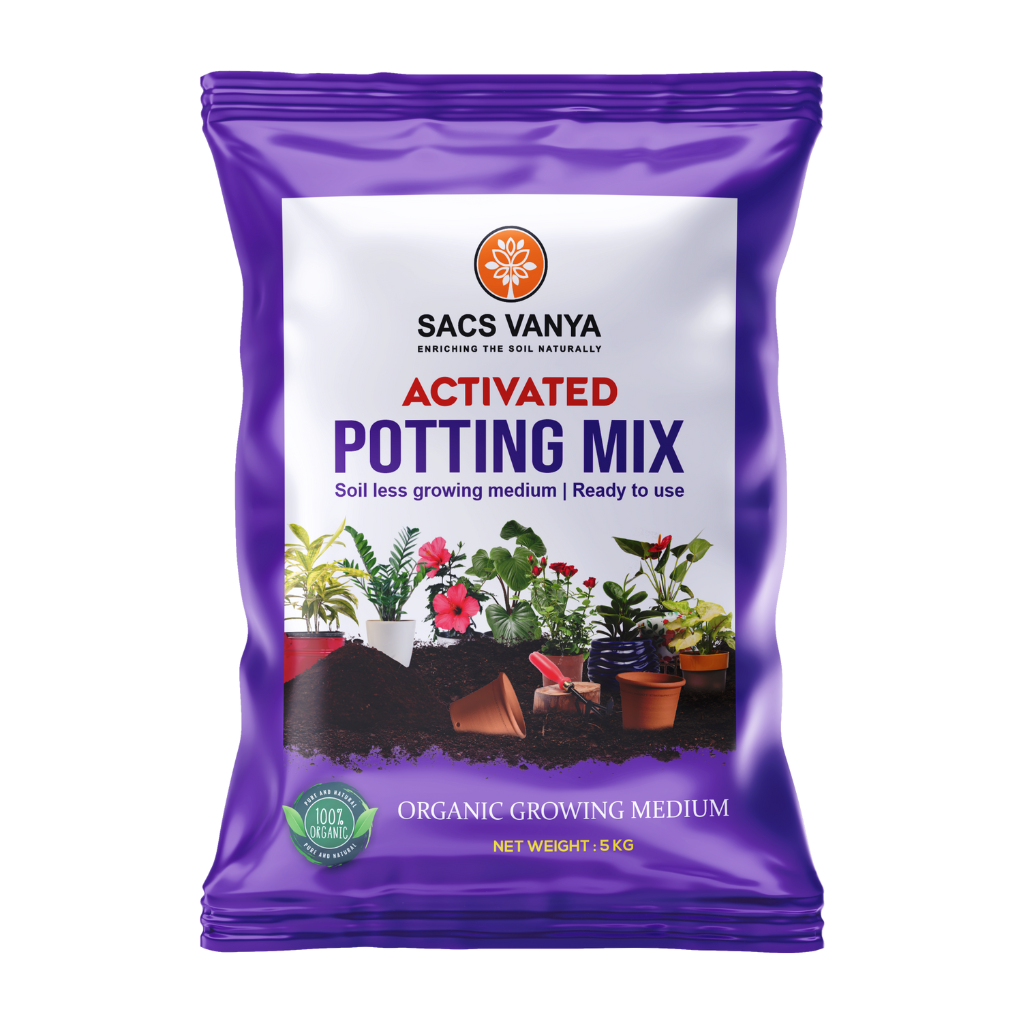
SACS Vanya’s Dilute & Spray Vermiwash is ready to use straight out of the bottle — no DIY setup required. It’s a good fit for home gardeners, balcony growers, nurseries, and farms looking for a consistent, weekly plant tonic.
Recommended Product
FAQs
What is vermiwash used for?
Vermiwash is used as a natural liquid fertilizer, typically applied as a diluted foliar spray or soil drench to improve plant growth, soil microbial activity, and disease resistance.
Is vermiwash the same as vermicompost?
No. Vermicompost is the solid, decomposed organic matter produced by earthworms, while vermiwash is the liquid extract collected as water passes through a vermicompost bed. They work best used together.
How do you dilute vermiwash before use?
Mix at a 1:5 ratio — the recommended dilution for SACS Vanya’s vermiwash is one bottle’s contents to 2 litres of water.
How often should vermiwash be applied?
Reapply every 7 days for best results, whether spraying on leaves or applying to soil.
Does vermiwash have a shelf life?
Fresh vermiwash is most effective and best used within a few weeks of collection, as microbial content can decline over long storage.