23 Jul 2026 4 min read
Top 5 Best Organic Plant Fertilizers for Home Gardeners
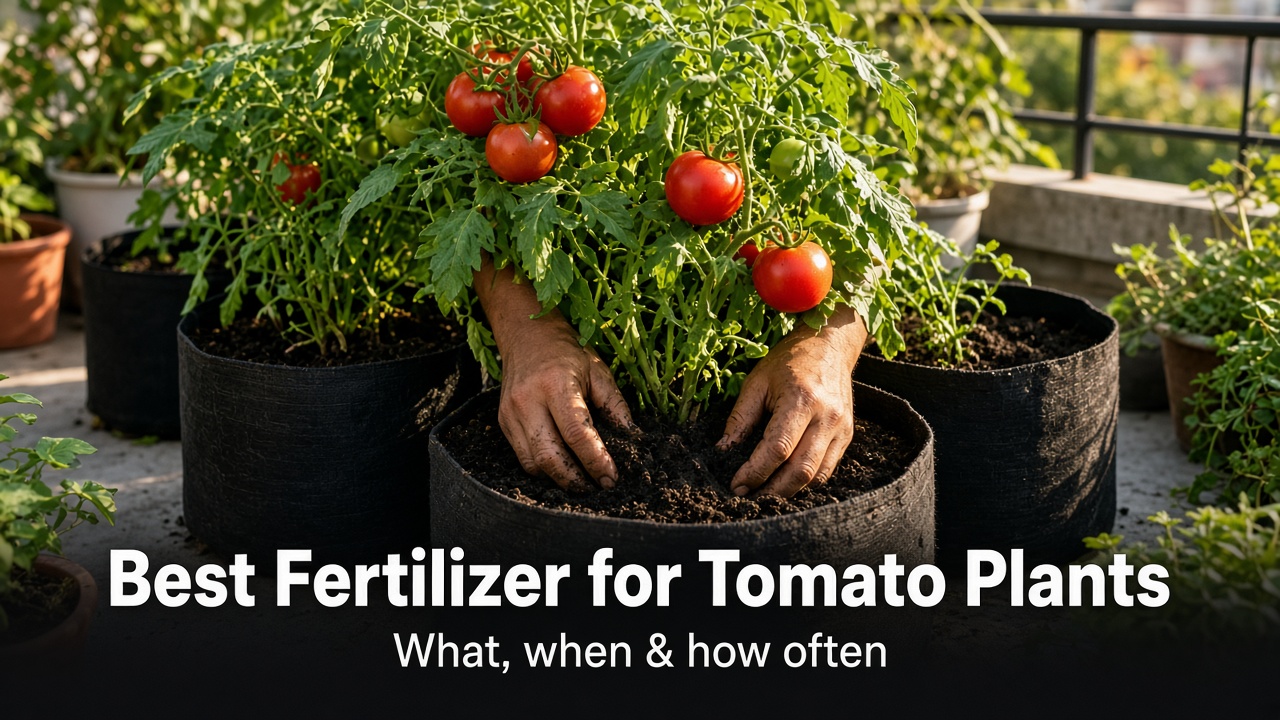
If you’ve ever stood in front of a shelf full of fertilizer bottles wondering which one is actually good for your plants (and your soil), you’re not alone. Chemical fertilizers give quick results, but over time they can damage soil health, kill beneficial microbes, and even harm the plants they’re meant to feed. That’s why more and more home gardeners are switching to organic fertilizers — they nourish the soil, not just the plant, and build long-term fertility instead of a quick fix.
Here are the top 5 organic fertilizers every home gardener should know about, along with what they do best and how to use them.
1. Vermicompost
Vermicompost is created when earthworms break down organic waste into a dark, crumbly, nutrient-rich material. It’s one of the most balanced organic fertilizers available, packed with nitrogen, phosphorus, potassium, and beneficial microorganisms that improve soil structure.
Best for: Almost all plants — vegetables, flowers, and potted plants.
How to use it: Mix 1–2 handfuls into the topsoil around the base of the plant every 3–4 weeks, or blend it directly into potting mix at the time of planting.
2. Vermiwash
Vermiwash is the liquid byproduct collected during vermicomposting — essentially a nutrient-dense “tea” enriched with enzymes, hormones, and beneficial microbes excreted by earthworms. Unlike solid compost, it acts fast because plants absorb it directly through roots and leaves.
Best for: Foliar feeding, seedlings, and plants that need a quick nutrient boost.
How to use it: Dilute vermiwash with water (typically 1:10) and spray on leaves or water into the soil every 10–15 days.
3. Cow Dung Manure (Well-Rotted)
One of the oldest and most trusted organic fertilizers in Indian home gardening, well-rotted cow dung manure improves soil texture, water retention, and microbial activity. Fresh cow dung should never be used directly, as it can burn roots and introduce pathogens — it needs to decompose for at least 2–3 months first.
Best for: Vegetable beds, fruit trees, and flowering shrubs.
How to use it: Work a layer into the soil before planting, or top-dress around established plants once a season.
4. Compost (Kitchen & Garden Waste)
Homemade compost, made from kitchen scraps, dry leaves, and garden waste, is a free and eco-friendly way to feed your plants while reducing household waste. It improves soil aeration, retains moisture, and slowly releases nutrients over time.
Best for: General soil enrichment across the garden — vegetables, herbs, and ornamentals.
How to use it: Mix into soil before planting, or spread a 2–3 inch layer as mulch around existing plants.
5. Neem Cake Fertilizer
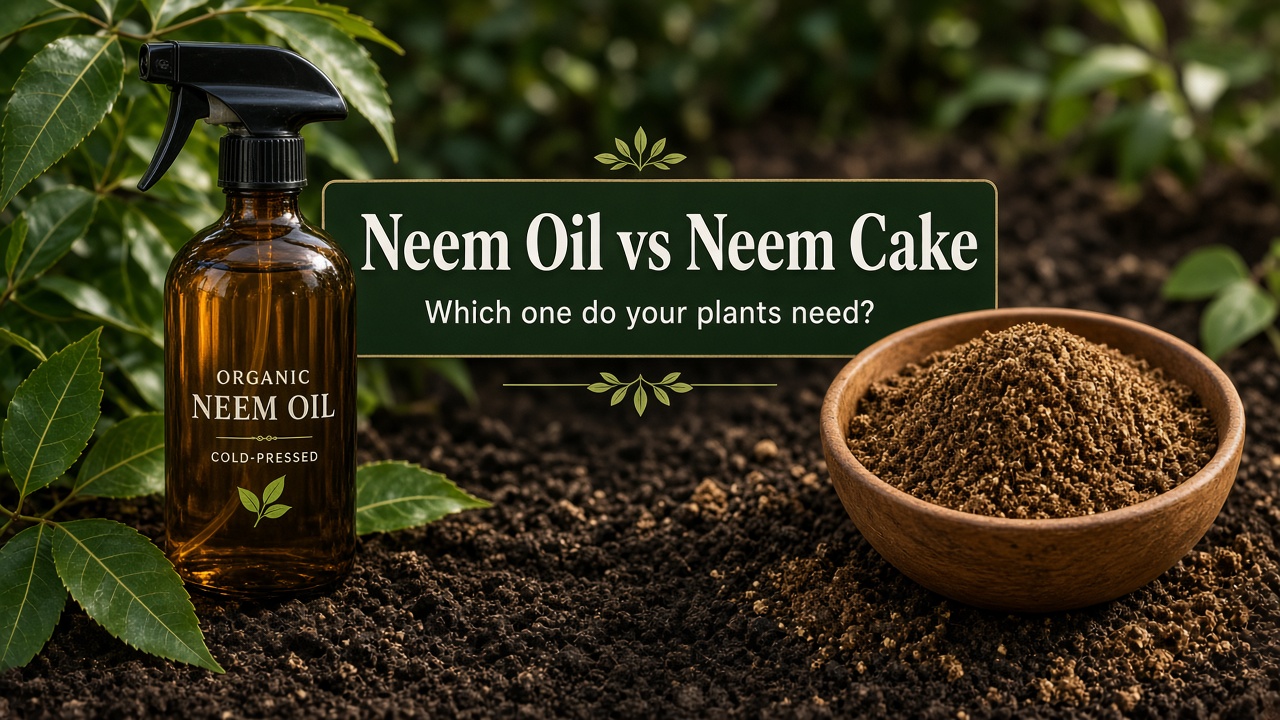
Neem cake is the residue left after extracting oil from neem seeds. Besides being a solid source of nitrogen, it also acts as a natural pest repellent, keeping soil-dwelling pests like nematodes and grubs away — a rare two-in-one benefit.
Best for: Plants prone to root pests, and as a general soil conditioner.
How to use it: Mix into the soil at planting time, or sprinkle around the base of established plants and water in lightly.
Quick Comparison
| Fertilizer | Best Use | Application Frequency |
|---|---|---|
| Vermicompost | All-purpose | Every 3–4 weeks |
| Vermiwash | Foliar feed / quick boost | Every 10–15 days |
| Cow Dung Manure | Vegetable beds, trees | Once a season |
| Compost | General enrichment | At planting + mulch |
| Neem Cake | Pest-prone soil | At planting or monthly |
Final Thoughts
Organic fertilizers work differently than synthetic ones — they build healthy soil biology, which in turn feeds your plants naturally and sustainably. You don’t need all five at once; start with vermicompost or compost as your base, and add vermiwash or neem cake depending on what your plants need. Over a few seasons, you’ll notice richer soil, stronger plants, and fewer pest problems — all without a single chemical bottle in sight.