22 Apr 2026 4 min read
Pest Control for Plants: Complete Guide to Healthy, Pest-Free Gardening
Pests are one of the biggest challenges in home gardening. Whether you’re growing vegetables, herbs, or indoor plants, insects can quickly damage your plants if not controlled early. If you’re searching for pest control for plants, this guide will help you understand the best solutions using safe and effective methods.
At SACS Vanya, the focus is on organic gardening, so this guide emphasizes organic pesticides for plants, natural solutions, and sustainable plant pest control techniques.
What is Pest Control for Plants? 🐛
Pest control for plants refers to methods used to prevent or eliminate insects, bugs, and diseases that harm plant growth.
Common pests include:
- Aphids
- Mealybugs
- Spider mites
- Whiteflies
Using the right insecticide for plants at the right time is key to keeping your garden healthy.
Best Pesticide for Plants 🌱
Choosing the best pesticide for plants depends on your gardening style. For home gardening, organic options are always safer.
Recommended Options
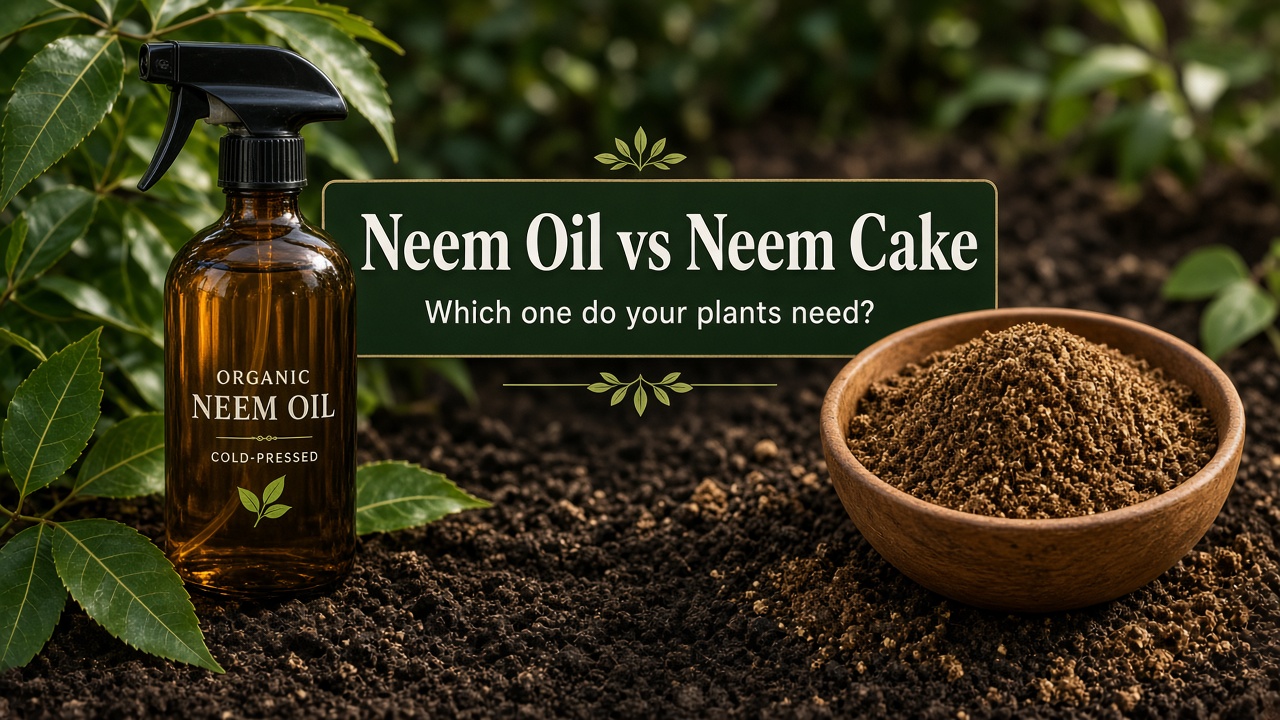
- Neem Oil: Best all-round natural pesticide
- Soap Spray: Effective for soft-bodied insects
- Garlic-Chilli Spray: Homemade pest repellent
- Bio Pesticides: Safe and eco-friendly
For safe gardening, always prefer organic pesticides over chemical sprays.
Organic Pesticides for Plants 🌼
Organic pesticides for plants are made from natural ingredients and are safe for humans, pets, and the environment.
Popular Organic Pesticides
- Neem oil spray
- Compost-based solutions
- Plant extracts
Benefits
- No harmful chemicals
- Safe for edible plants
- Improves long-term plant health
Types of Pest Control Methods 🌾
There are different pest control methods you can use:
1) Manual Control
Remove pests by hand or prune affected leaves.
2) Biological Control
Use natural predators like ladybugs.
3) Organic Spray
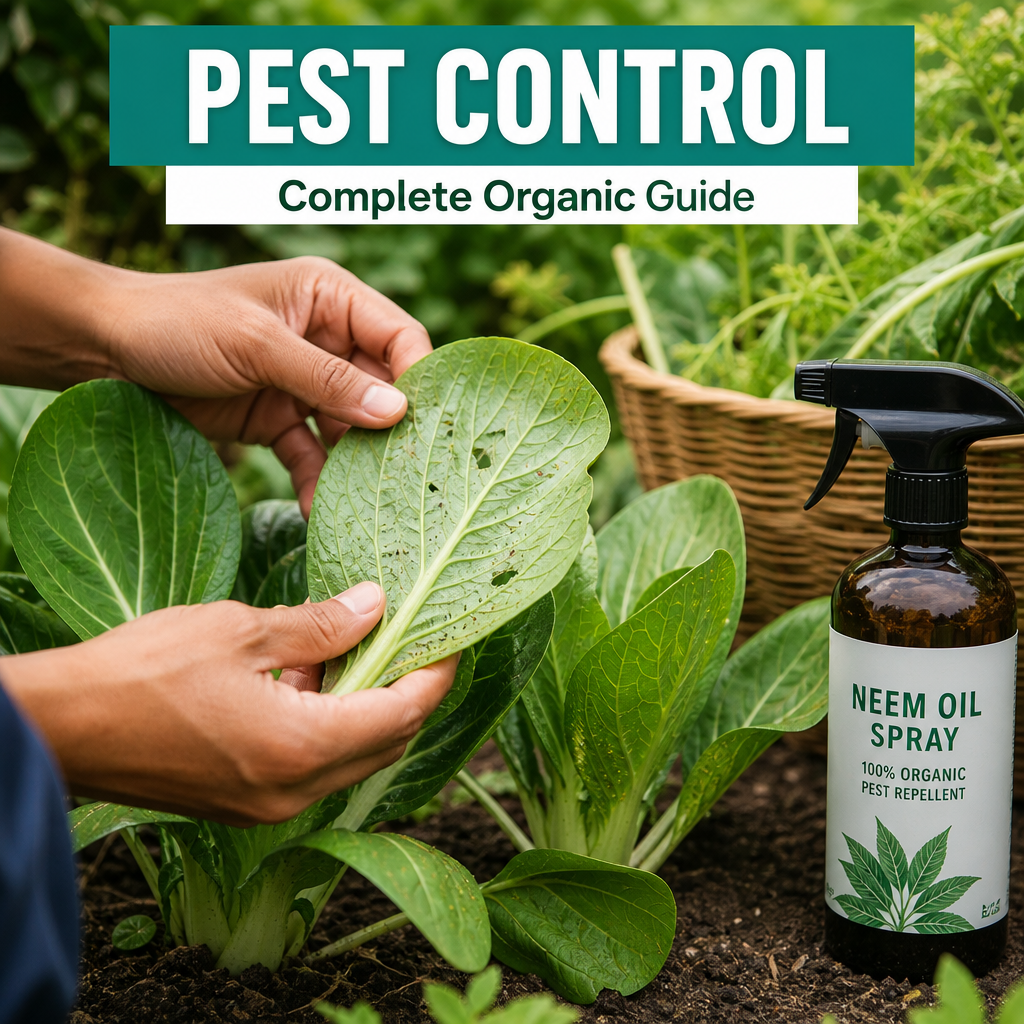
Apply pest control spray like neem oil regularly.
4) Preventive Care
Healthy soil and proper watering reduce pest attacks.
Natural Pesticides for Plants 🛡️
Using natural pesticides is the safest way to protect your garden.
DIY Natural Pesticides
- Neem oil + water spray
- Soap water solution
- Garlic + chilli spray
These are highly effective for plant pest control and easy to prepare at home.
How to Use Pest Control Spray 🧴
Follow these steps for effective pest control spray application:
- Identify the pest problem.
- Choose the right insecticide for plants.
- Spray early morning or evening.
- Cover both sides of leaves.
- Repeat weekly if needed.
Consistency is key for successful pest control for plants.
Common Mistakes to Avoid ⚠️
- Overusing pesticide sprays
- Spraying in direct sunlight
- Ignoring early signs of pests
- Using chemical pesticides on edible plants
Pro Tips for Effective Plant Pest Control 💡
- Inspect plants regularly
- Use organic pesticides for plants weekly
- Maintain proper spacing between plants
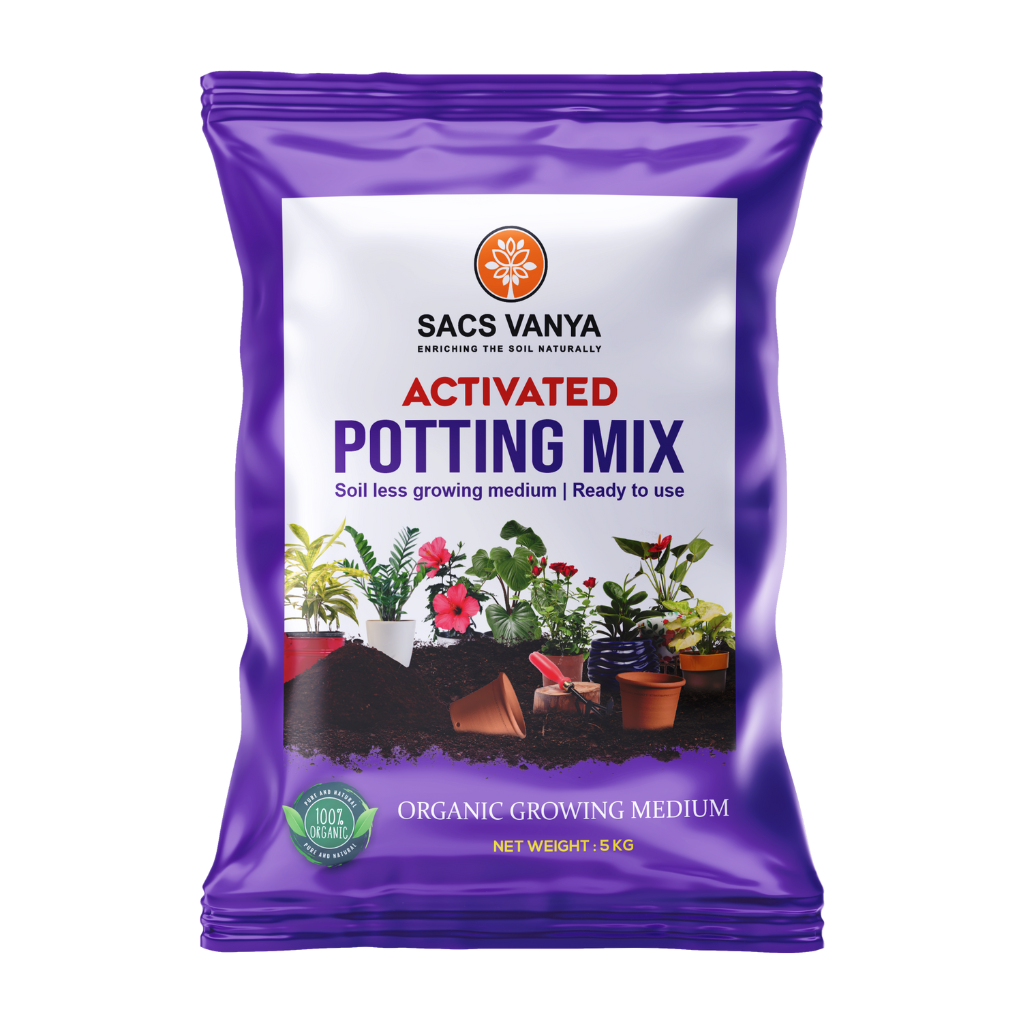
- Use healthy soil mix for plants
- Grow plants in gardening bags for planting for better drainage
Why Choose Organic Pest Control? 🌟
Organic pest control methods:
- Protect your health
- Keep soil fertile
- Support eco-friendly gardening
Perfect for:
- Balcony gardening
- Terrace gardening
- Indoor plants
Final Thoughts 📌
Managing pests doesn’t have to be difficult. With the right pest control methods, use of natural pesticides, and consistent care, you can easily maintain a healthy garden.
Choosing organic pesticides ensures your plants grow safely and sustainably. 🌱
FAQs ❓
1) What is the best pesticide for plants?
Neem oil is one of the best and safest options for home gardening.
2) How often should I use pest control spray?
Once a week or when pests appear.
3) Are organic pesticides effective?
Yes, they are very effective when used regularly.
4) Can I make natural pesticides at home?
Yes, neem oil, soap spray, and garlic spray are easy DIY options.