22 Apr 2026 4 min read
Organic Fertilizers: A Complete Guide for Healthy Plant Growth
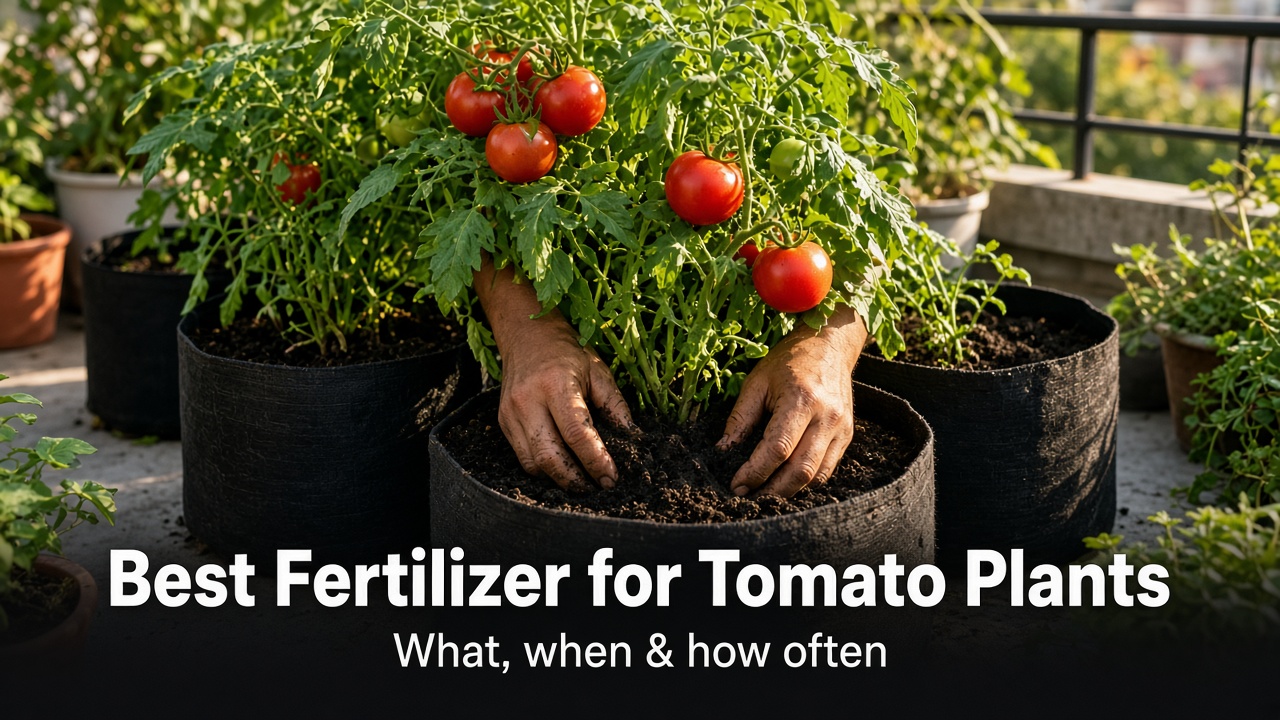
If you’re looking to grow healthy, chemical-free plants, switching to organic fertilizer for plants is one of the best decisions you can make. Whether you’re a beginner or an experienced gardener, organic inputs improve soil health, support steady plant growth, and help you grow safer, cleaner produce.
At SACS Vanya, the focus is on sustainable gardening using eco-friendly solutions like vermicompost, neem-based products, and nutrient-rich soil mixes.
What is Organic Fertilizer? 🌿
Organic fertilizer is made from natural materials such as plant waste, animal manure, compost, or minerals. Unlike chemical fertilizers, it releases nutrients slowly and improves soil structure over time.
Simply put, it feeds both the plant and the soil.
Organic Fertilizer Examples 🌼
Here are common organic fertilizer examples used in home gardening:
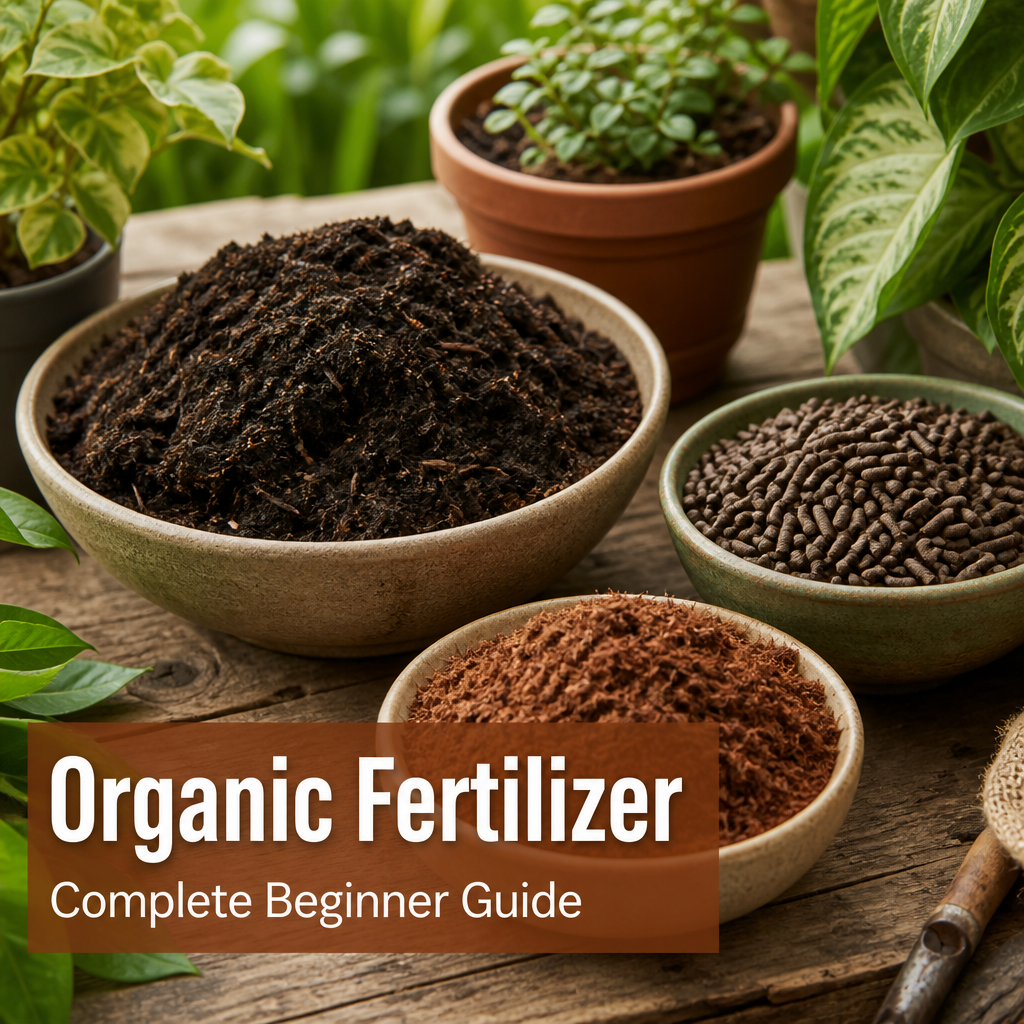
- 🌱 Vermicompost: Rich in nutrients, improves soil fertility.
- 🐄 Cow dung manure: Traditional and widely used in India.
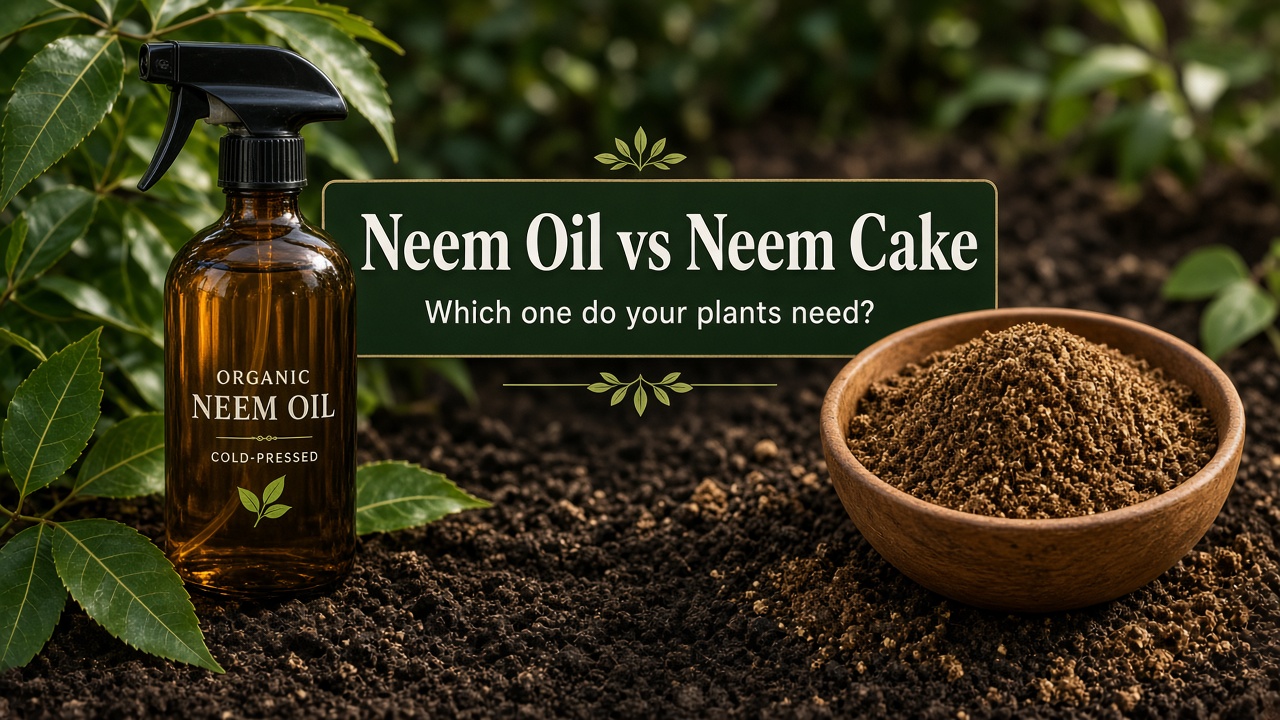
- 🌿 Neem cake: Acts as both fertilizer and pest support.
- 🦴 Bone meal: Supports strong roots and better flowering.
- 🍂 Compost: Made from kitchen and garden waste.
Benefits of Organic Fertilizer 🌟
Using organic fertilizers offers long-term advantages:
- ✅ Improves soil health: Enhances structure, microbial activity, and water retention.
- ✅ Safe for plants and humans: No harmful chemical buildup.
- ✅ Slow nutrient release: Provides stable nutrition over time.
- ✅ Eco-friendly: Reduces pollution and supports sustainable gardening.
- ✅ Better taste and quality: Homegrown vegetables are often tastier and more nutritious.
Types of Organic Fertilizers 🌾
There are different types of organic fertilizers based on form:
Solid Fertilizers
- Compost
- Vermicompost
- Manure
Liquid Fertilizers
- Compost tea
- Seaweed extract
Powder / Granular
- Neem cake powder
- Bone meal
Each type serves different plant needs and can be used at different growth stages.
Organic Fertilizer Price in India 💰
The organic fertilizer price depends on quality, source, and packaging. Typical ranges:
- Vermicompost: INR 20 - INR 50 per kg
- Neem cake: INR 30 - INR 80 per kg
- Compost: INR 10 - INR 30 per kg
Tip: Buying in bulk usually lowers per-kg cost and works well for terrace gardening.
How to Use Organic Fertilizer for Plants 🪴
Follow these simple steps:
- Mix fertilizer with soil before planting.
- Add compost or vermicompost every 10-15 days.
- Use liquid fertilizers weekly for faster uptake.
- Avoid overuse; balanced feeding works best.
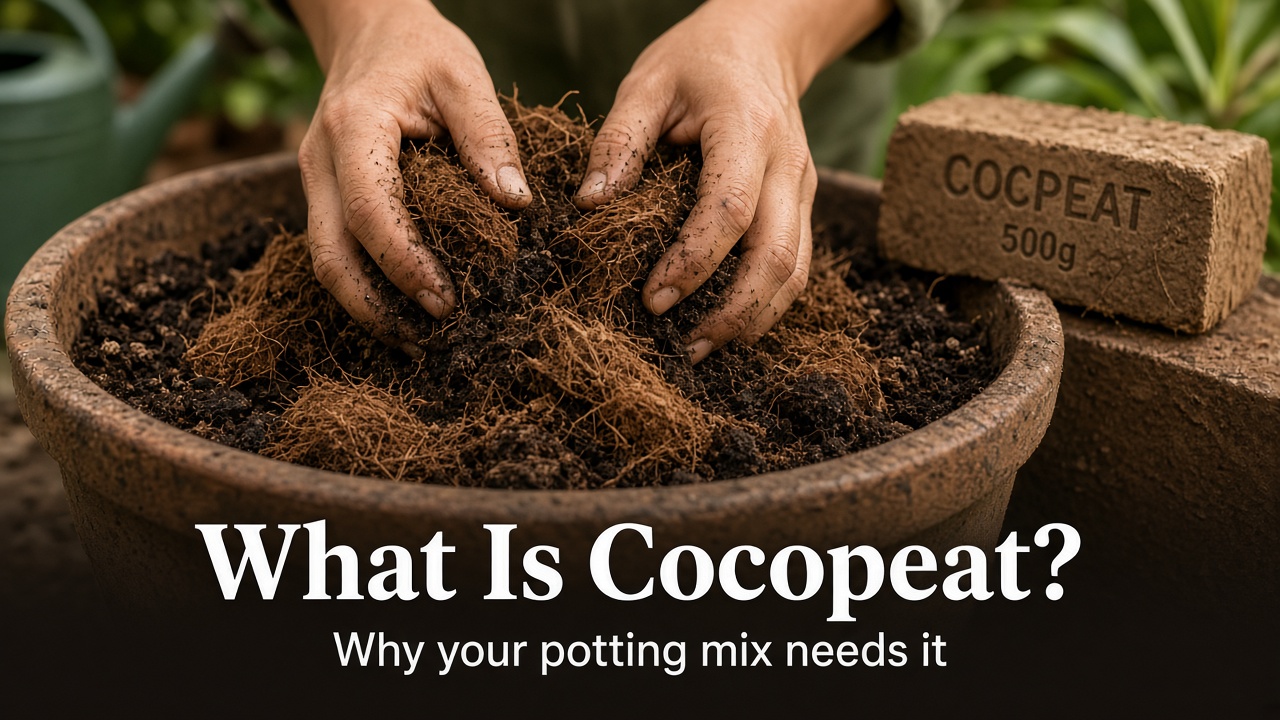
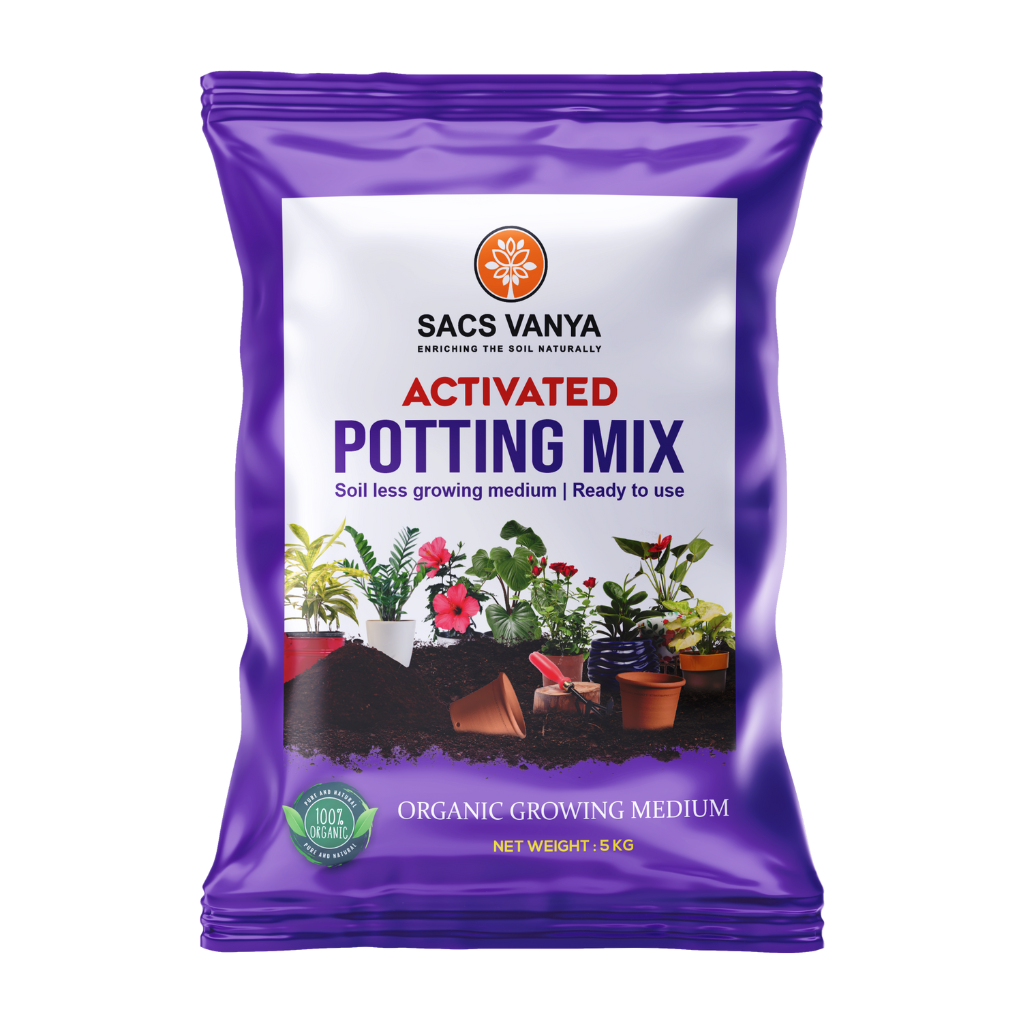
Pair fertilizer with a quality soil mix for plants for better results.
Common Mistakes to Avoid ⚠️
- Over-fertilizing plants
- Using undecomposed organic matter
- Ignoring plant-specific feeding needs
- Not watering after fertilizing
Pro Tips for Best Results 💡
- Combine different organic fertilizers for balanced nutrition.
- Use neem-based products like natural pesticide for pest management.
- Maintain a consistent watering schedule.
- Use breathable gardening bags for planting for better drainage.
Why Choose Organic Fertilizers for Home Gardening? 🌟
If you want a safe, sustainable, and effective way to grow plants, organic fertilizers are the best choice. They not only improve plant growth but also build long-term soil fertility.
Perfect for:
- Balcony gardening
- Terrace gardening
- Indoor plants
Final Thoughts 📌
Using organic fertilizer for plants is the foundation of successful home gardening. With many organic fertilizer examples, multiple types of organic fertilizers, and proven benefits of organic fertilizer, it’s easy to see why more gardeners are switching to natural methods.
Start small, stay consistent, and enjoy growing your own organic garden. 🌱
FAQs ❓
1) What is the best organic fertilizer for plants?
Vermicompost is one of the best choices because of its rich nutrient profile and soil-friendly microbes. You can explore best organic fertilizer options for home gardening.
2) How often should I use organic fertilizer?
Every 10-15 days for solid fertilizers is a good starting point, while liquid feeds can be used weekly in smaller doses.
3) Is organic fertilizer better than chemical fertilizer?
For long-term soil health and safer produce, yes. Organic fertilizers support sustainable growth and reduce dependency on synthetic inputs.
4) Can I make organic fertilizer at home?
Yes. Composting kitchen and garden waste is an easy and effective method for beginners.