19 Aug 2026 7 min read
How to Make a Garden at Home: A Simple Step-by-Step Guide
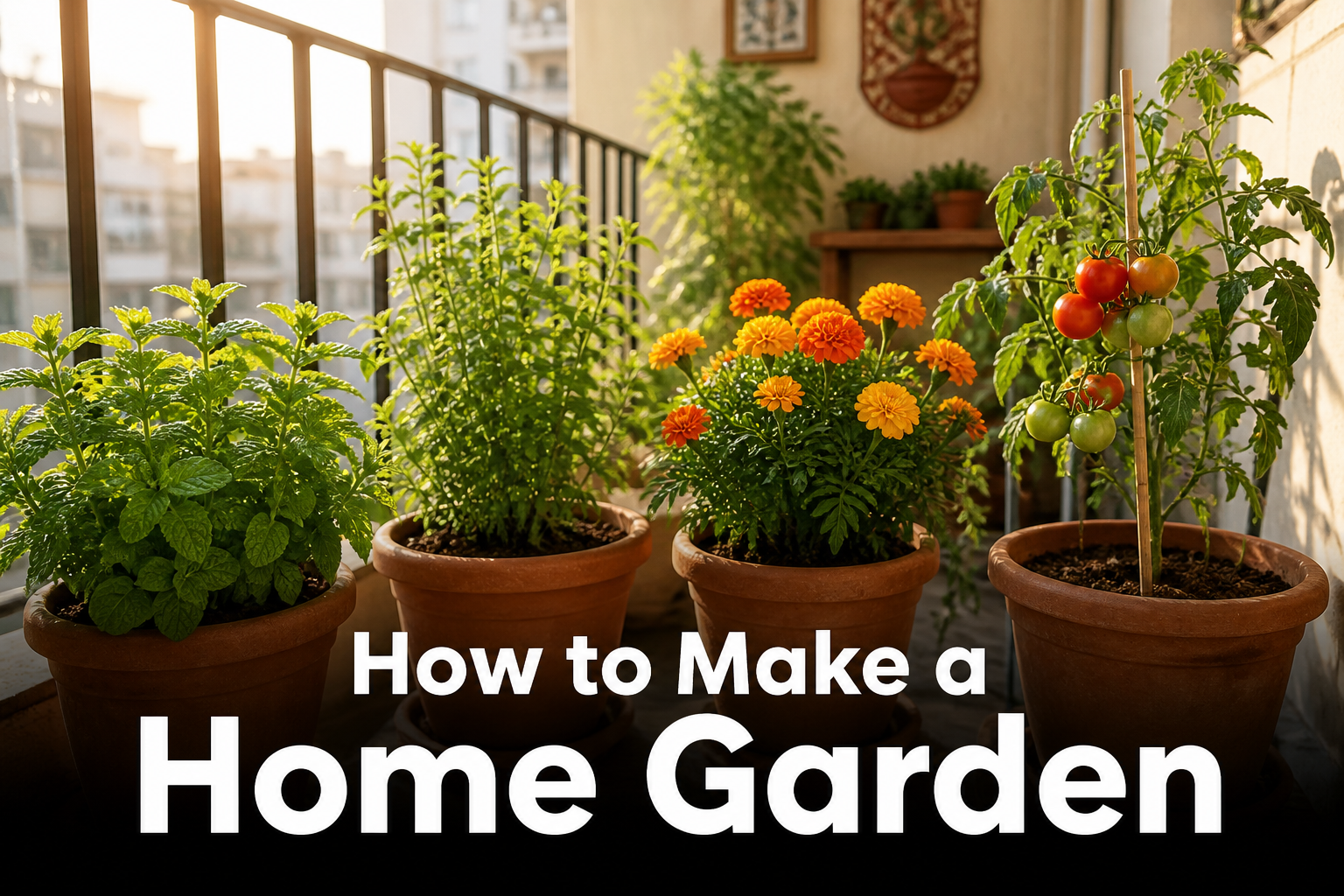
You don’t need a big backyard to grow a garden. A balcony, a terrace, or even a sunny window ledge is enough to get started. Here’s how to build a home garden from scratch, step by step, without any confusing gardening terms.
Step 1: Pick Your Spot
Before buying anything, walk around your home and find the spot that gets the most sunlight. This could be a balcony, a terrace, near a window, or even just outside your front door.
Most plants need at least 4–6 hours of sunlight to grow well. Watch your chosen spot for a day and see how much direct sun it actually gets.
Less sunlight isn’t the end of the world — plants like mint, coriander, and money plant grow fine with just a little sun. So even a shady balcony can still become a small garden.
Step 2: Decide What You Want to Grow
Once you know how much sun your spot gets, the next decision is what kind of plants you actually want. Most home gardens fall into one of these types — pick one to start, or mix a few once you’re comfortable.
Flowers — for colour and a nice-looking garden
- Marigold, hibiscus, rose, bougainvillea
Vegetables — if you want to actually harvest and eat something you grew
- Tomato, chilli, brinjal, okra (bhindi)
Herbs — small, useful, and great for cooking
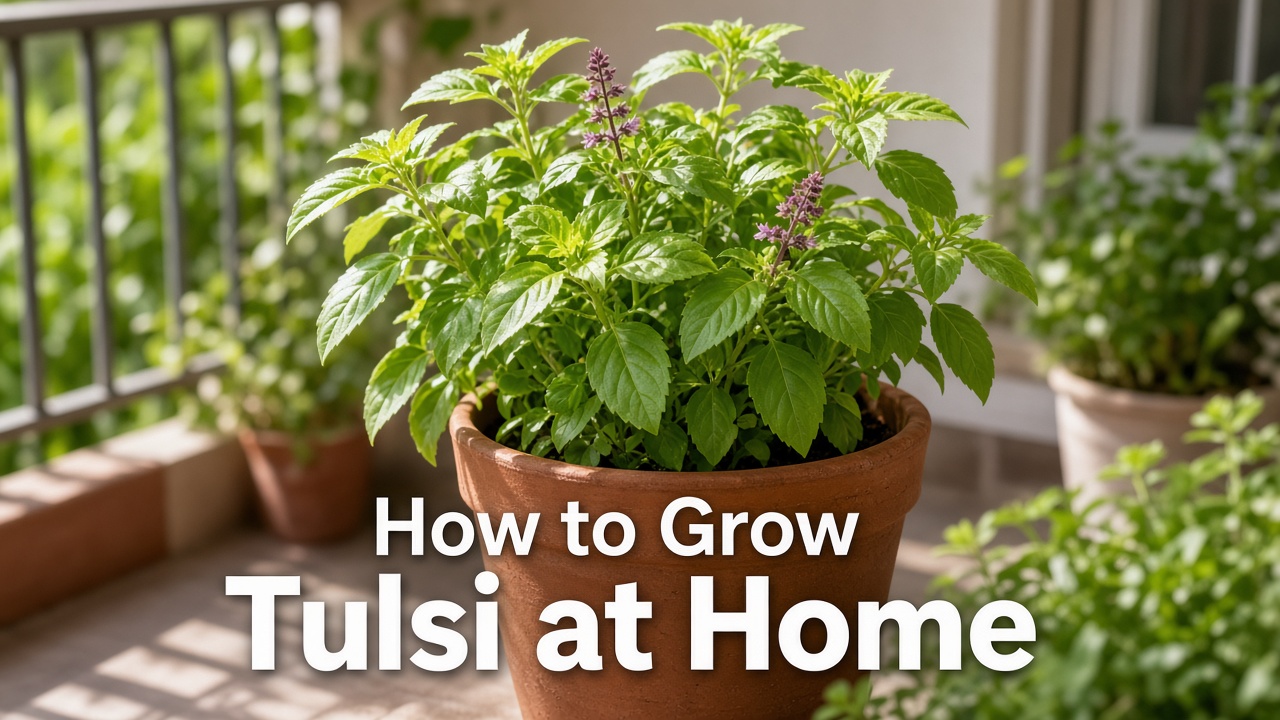
- Mint, tulsi (basil), coriander, curry leaf
Fruit — takes more space and patience, but gives you real fruit
- Lemon, papaya, guava
Leafy and decorative plants — if you mainly want greenery with very little effort
- Money plant, snake plant, aloe vera, ferns
If you’re not sure yet, a simple mix works well for most first-time home gardeners: a couple of herbs (mint, tulsi), one or two flowers (marigold, hibiscus), and one vegetable (tomato or chilli) to try growing something you can actually use.
Which of These Are Easiest for a Beginner?
Not all plant types are equally easy. Here’s how they compare:
Easiest — start here: Money plant, snake plant, aloe vera, mint, tulsi, marigold. These forgive mistakes like missed watering or irregular feeding, so they’re the safest place to begin.
A bit more effort: Coriander, curry leaf, hibiscus, bougainvillea. Still manageable, but need slightly more regular attention.
Needs the most care: Tomato, chilli, brinjal, lemon, papaya. These give the biggest reward — actual vegetables or fruit — but need consistent sun, watering, and feeding to do well. Worth trying once you’ve got a season of gardening under your belt.
Step 3: Choose Your Pots
You don’t need fancy pots to start. Here’s what to keep in mind:
- Any container with a hole at the bottom works — old buckets, plastic drums, or grow bags are all fine, as long as extra water can drain out.
- Bigger plants need bigger pots. Small herbs like mint or coriander can grow in a small 8-inch pot. Tomatoes, chillies, and flowering plants need at least a 12-inch pot or a grow bag.
- Lightweight pots are easier to manage, especially on a balcony or terrace, where heavy pots can be hard to move or too heavy for the floor.
Step 4: Get the Right Soil
This is the step most people get wrong, and it’s the reason many home gardens fail early on.
Don’t just use soil from outside. Digging up soil from a park or roadside and putting it straight into a pot usually doesn’t work well. Outside, soil has space to breathe and let water pass through. Inside a pot, that same soil turns hard and holds too much water, which can rot the plant’s roots.
What you actually need is a mix of three things:
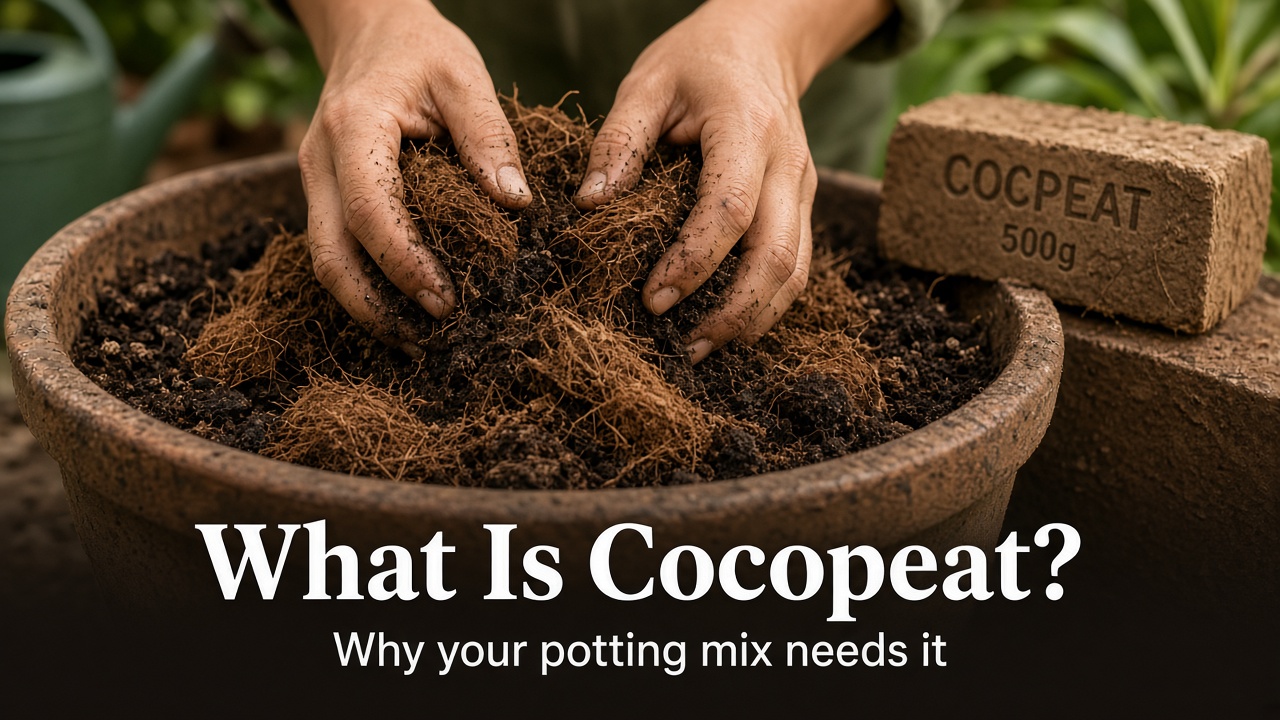
- Soil or cocopeat, to hold everything together
- Compost or vermicompost, to feed the plant
- Sand or perlite, to help extra water drain out
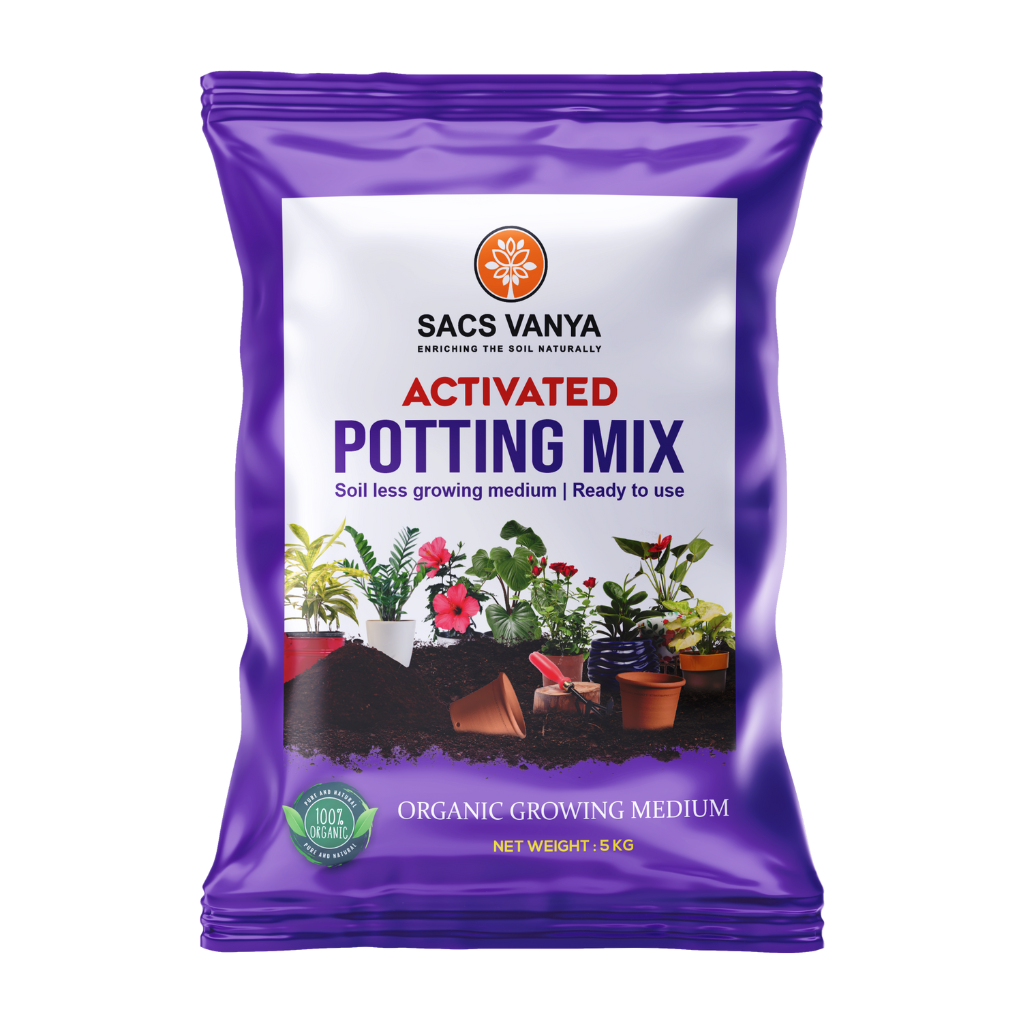
If mixing this yourself sounds like too much work, you can simply buy a ready-made potting mix that already has the right balance — just open the bag and start planting, no measuring needed.
Step 5: Water the Right Way
Overwatering kills more home garden plants than underwatering does. A simple way to check: put your finger about an inch into the soil. If it feels dry, water the plant. If it still feels a little damp, wait another day.
- Water early in the morning or in the evening, not in the middle of a hot day.
- Make sure extra water can always drain out of the pot — a pot with no drainage hole is one of the fastest ways to kill a plant.
Step 6: Feed Your Plants Regularly
Plants in pots run out of nutrients faster than plants in the ground, simply because there’s less soil around them. This means regular feeding matters more for a home garden than people expect.
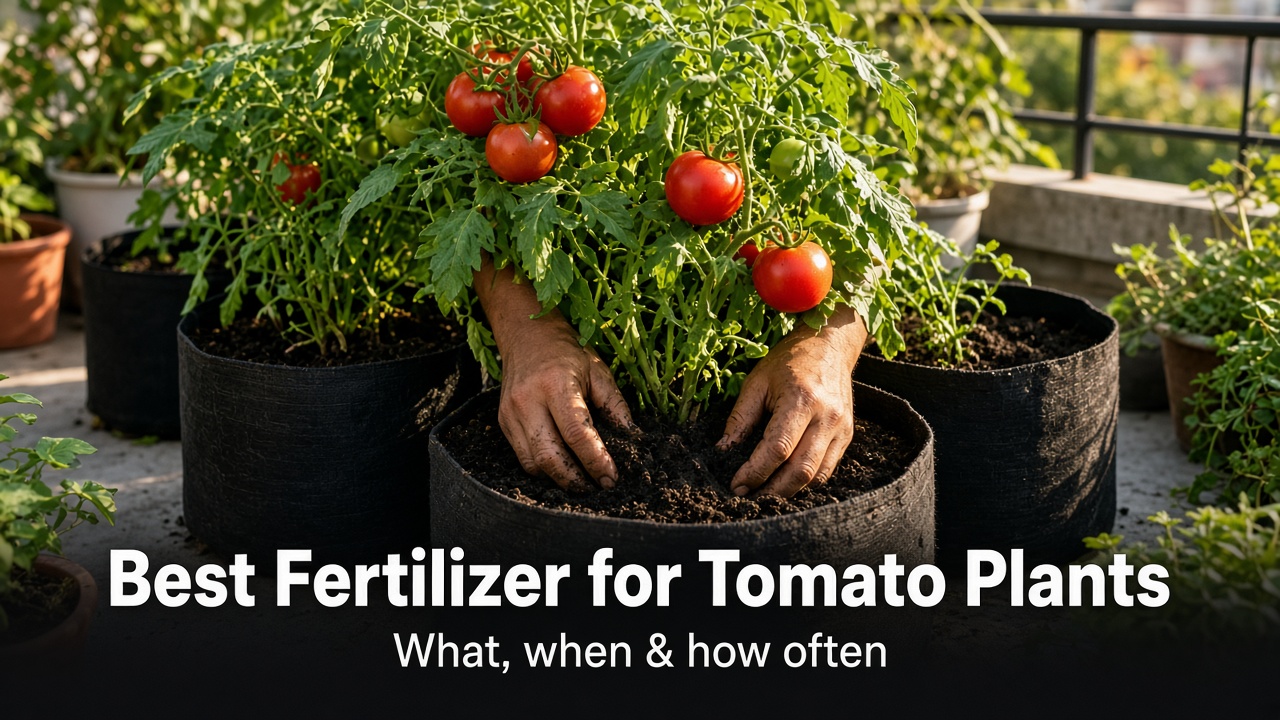
- Vermicompost is a simple, natural way to feed most plants. Spread a small amount around the base of the plant every few weeks and water it in.
- How much to use depends on your pot size — a small pot needs only a spoonful or two, while a large pot or grow bag needs more. It’s worth checking a dosage guide so you’re not guessing.
- Avoid feeding right after planting — wait about a week or two so the plant can settle in first.
Step 7: Keep an Eye Out for Common Problems
- Yellow leaves are often a sign of overwatering, not underwatering — check the soil before you assume the plant is thirsty.
- Slow growth despite regular watering can mean the pot is too small, or the plant simply isn’t getting enough sunlight.
- Pests are common in home gardens — check the underside of leaves regularly, since that’s where most bugs hide first.
Step 8: Start Small, Then Grow
The biggest mistake first-time gardeners make isn’t choosing the wrong plant — it’s starting too big. Begin with 5–6 pots you can easily manage. Once watering and feeding become a habit rather than a chore, add more plants at your own pace.
FAQ
Do I need a big space to start a home garden?
No. A balcony, terrace, or even a sunny window ledge is enough space to start growing plants in pots.
What should I grow first — flowers, vegetables, or herbs?
Herbs and easy decorative plants like mint, tulsi, money plant, and snake plant are the best starting point. Move on to vegetables and fruit once you’re comfortable with watering and feeding.
What is the easiest plant to grow at home for beginners?
Money plant, snake plant, and mint are some of the easiest plants for beginners, as they need very little care.
How often should I water my home garden plants?
Check the soil first — water only when the top inch feels dry. Watering on a fixed daily schedule without checking often leads to overwatering.
Can I use soil from outside for my home garden pots?
It’s not a good idea. Outside soil turns hard and holds too much water in a pot. A proper potting mix drains better and keeps roots healthy.