16 Apr 2026 4 min read
How to Grow Plants at Home: A Beginner’s Guide to a Healthy Indoor Garden
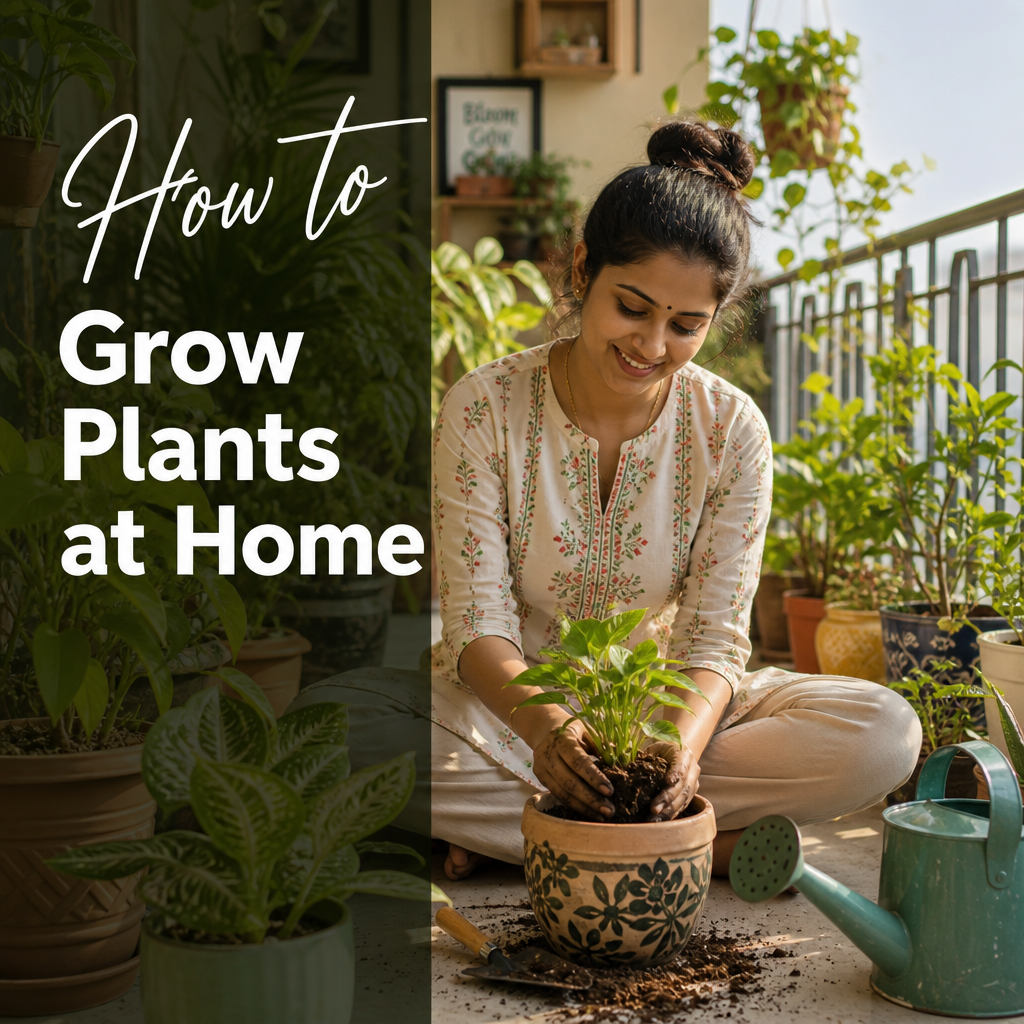
Growing plants at home is no longer just a hobby; it is a lifestyle. Whether you live in an apartment or an independent house, you can start your own green space with simple steps. If you are wondering how to grow plants at home, this beginner-friendly guide will help you get started the right way.
At SACS Vanya, we focus on organic gardening so that you can grow healthy plants using natural inputs like vermicompost, neem oil, and quality potting mixes.
Why You Should Grow Plants at Home
Starting a home garden has many practical benefits:
- Fresh, chemical-free vegetables
- Better indoor and balcony air quality
- Stress relief and improved mental wellness
- Productive use of balcony or terrace space
Even with limited space, you can build a thriving garden using pots or gardening bags for planting.
What You Need to Start Home Gardening
1) Containers (Pots or Grow Bags)
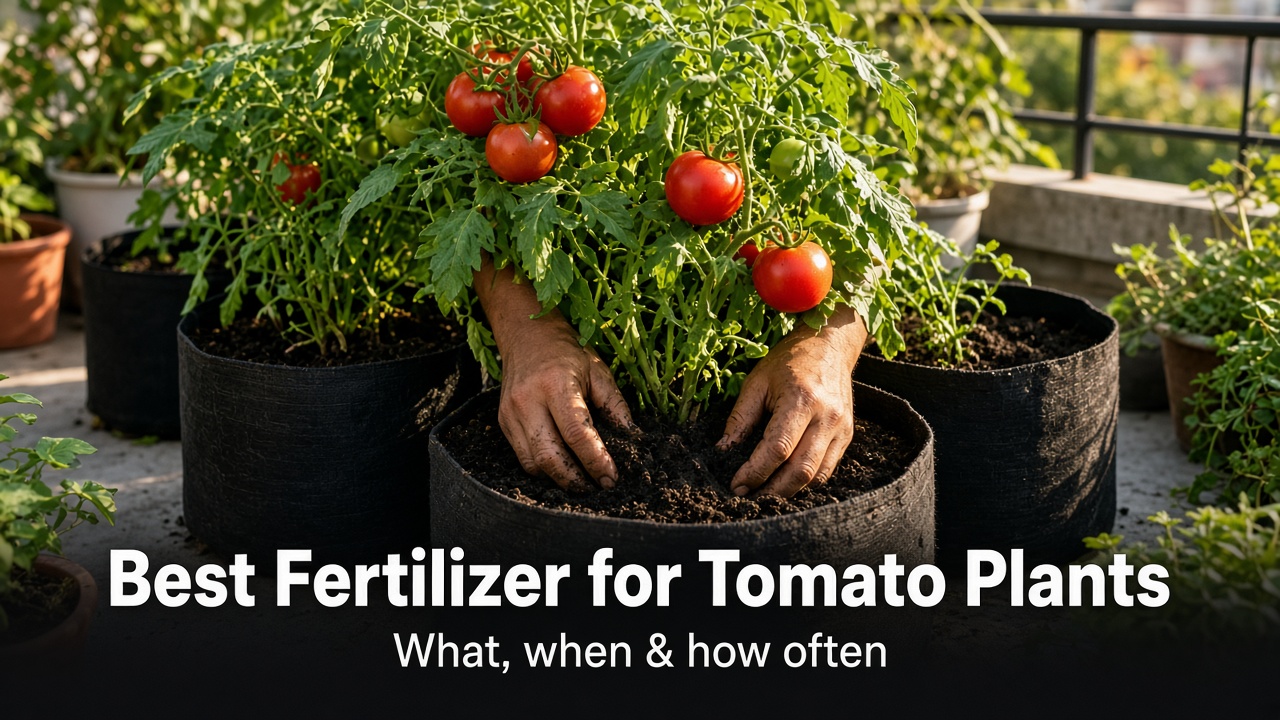
Use pots or grow bags based on your available space. Grow bags are lightweight, affordable, and great for terrace gardening.
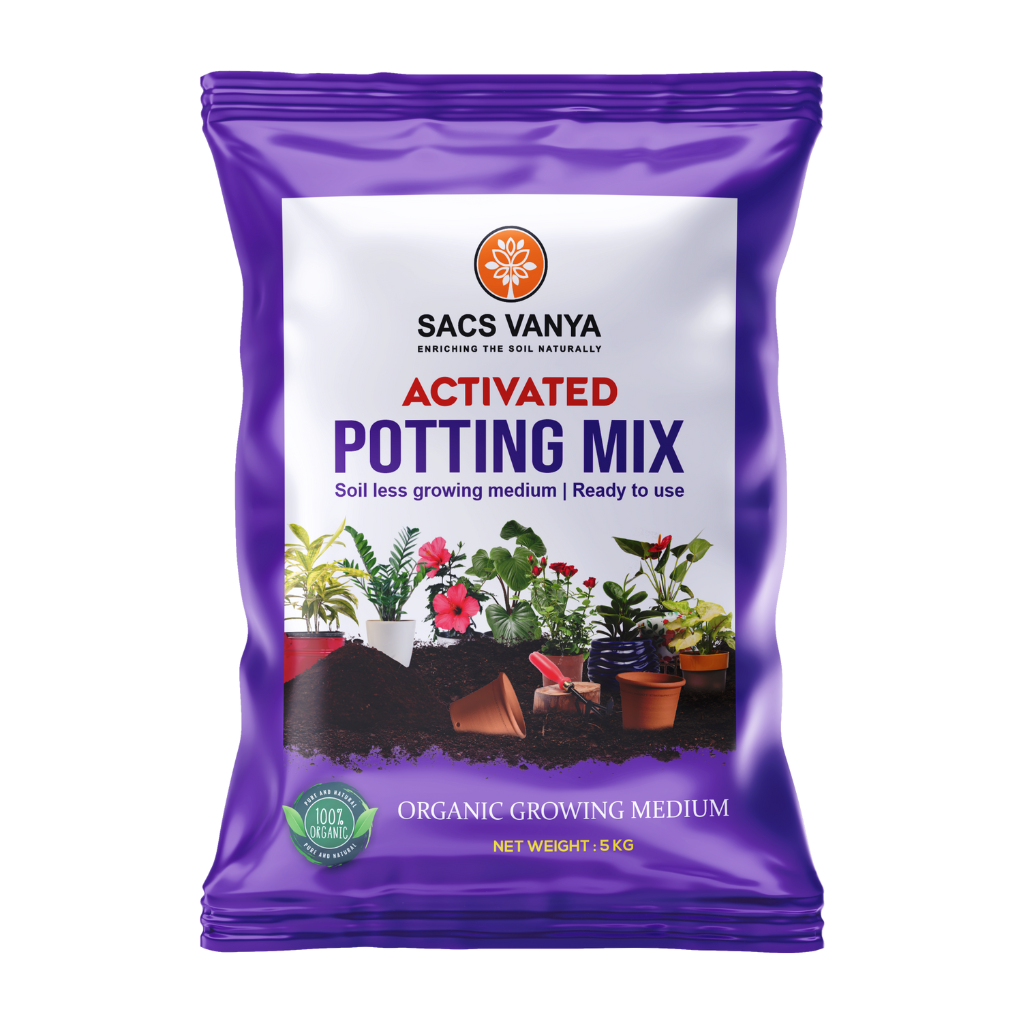
2) Soil Mix for Plants
A good soil mix should be:
- Well-draining
- Nutrient-rich
- Lightweight
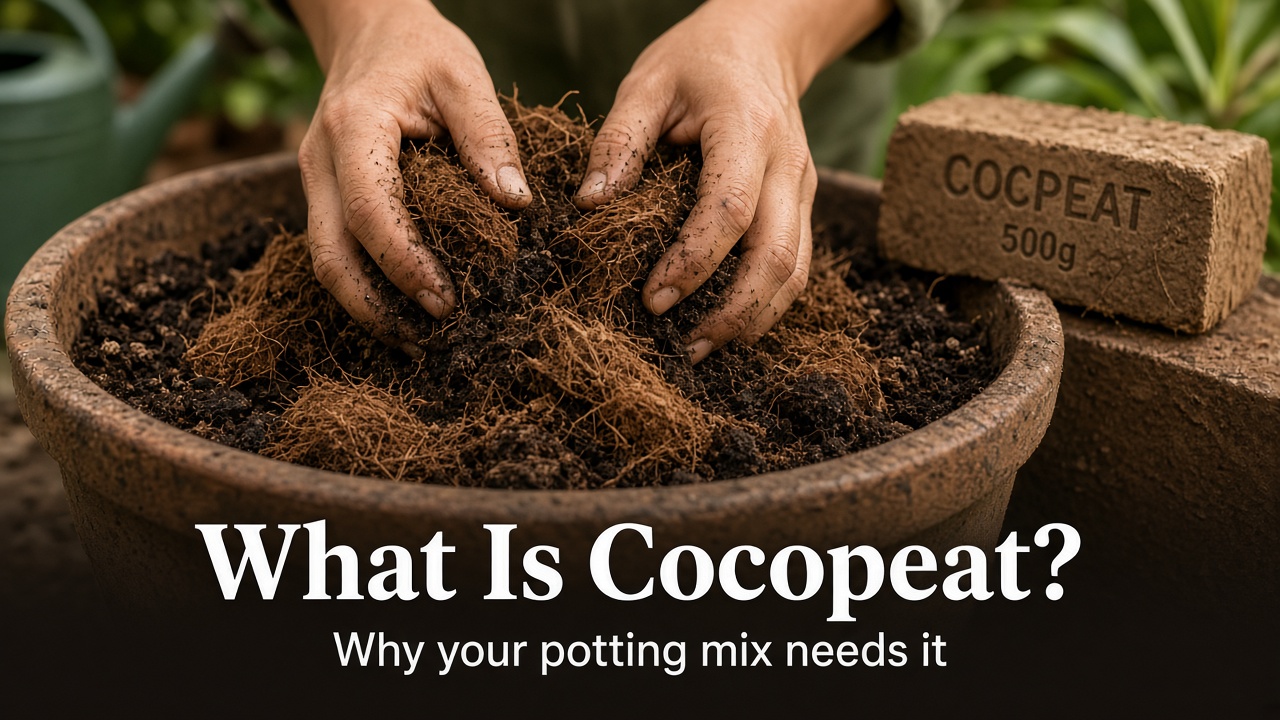
A balanced blend of cocopeat, compost, and garden soil works well. You can also use this soil mix for plants for reliable results.
3) Organic Fertilizer
Feed plants with best organic fertilizer like vermicompost to support healthy, steady growth.
4) Natural Pesticide
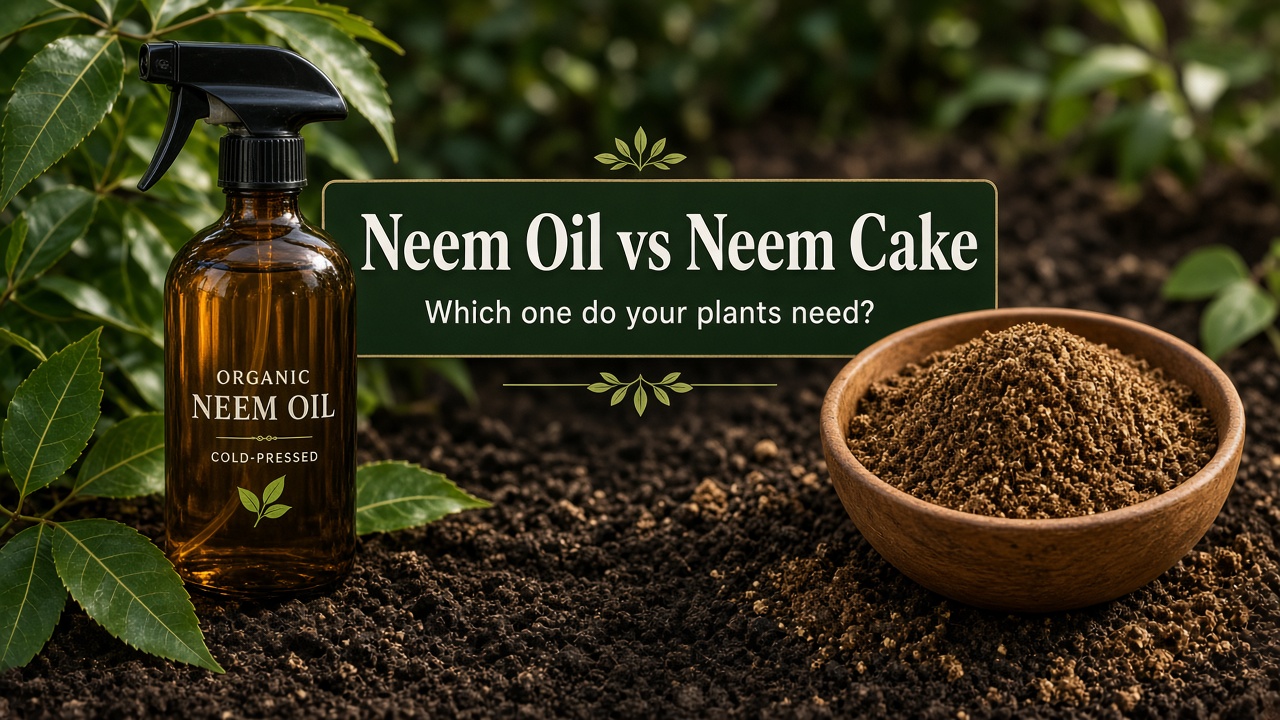
Protect plants using a natural pesticide like neem oil instead of harsh chemicals.
Step-by-Step: How to Grow Plants at Home
Step 1: Choose the Right Plants
Start with easy plants:
- Vegetables: tomato, spinach, chilli
- Herbs: mint, coriander
- Indoor plants: money plant, snake plant
Step 2: Select the Right Spot
Most plants need:
- 4-6 hours of sunlight
- Good airflow
Balconies, windows, and terraces are ideal.
Step 3: Prepare the Soil
Fill your container with a nutrient-rich soil mix for plants. Healthy soil is the foundation of healthy growth.
Step 4: Plant Seeds or Saplings
- Sow seeds at the right depth
- Water lightly after planting
Step 5: Water Properly
- Keep soil moist, not soggy
- Water once daily or based on weather
Step 6: Add Fertilizer
Apply best organic fertilizer every 10-15 days.
Step 7: Protect from Pests
Spray natural pesticide weekly to reduce common pest issues.
Best Plants for Beginners
These beginner-friendly plants perform well in pots and grow bags:
- Spinach
- Tomato
- Mint
- Chilli
- Coriander
Common Mistakes to Avoid
- Overwatering plants
- Using poor-quality soil
- Not giving enough sunlight
- Ignoring early pest signs
Avoiding these common mistakes can significantly improve plant health.
Pro Tips for Better Growth
- Rotate plants weekly for even sunlight
- Use grow bags for stronger root health
- Add mulch to retain moisture
- Check leaves regularly for pest signs
Why Grow Bags Are Perfect for Home Gardening
If space is limited, gardening bags for planting are a practical choice:
- Easy to move
- Better drainage
- Ideal for balconies and terraces
They make home gardening simpler and more flexible for beginners.
Final Thoughts
Learning how to grow plants at home is easier than most people think. With the right setup, consistent care, and organic methods, anyone can build a healthy home garden.
Start small, stay consistent, and enjoy the process of growing your own green space.
FAQs
How often should I water plants at home?
Water once a day or whenever the topsoil feels dry.
Which soil is best for home gardening?
A mix of cocopeat, compost, and garden soil works best.
Can I grow vegetables in grow bags?
Yes. Vegetables like tomato, spinach, and chilli grow very well in grow bags.
How do I protect plants from pests naturally?
Use neem oil weekly as a natural pesticide.