20 Jul 2026 9 min read
Best Fertilizer for Flowering Plants: Complete Organic Guide (Rose, Hibiscus & More)
Quick Answer
- Best fertilizer for flowering plants (general): A vermicompost base every 3–4 weeks, plus a potassium-rich boost (potash or bone meal) once buds start forming.
- Best fertilizer for hibiscus plants: Regular vermicompost feeding combined with a potassium-rich amendment during budding for larger, more vivid blooms.
- Best fertilizer for rose plants: Bone meal worked in at planting for strong root and bud development, followed by a potash-rich feed once flower buds appear.
If your flowering plants are producing more leaves than blooms, the problem is rarely the plant — it’s the feed. Flowering plants have different nutritional needs than foliage or fruiting plants, and giving them the wrong fertilizer (or the wrong ratio of nutrients) is one of the most common reasons gardeners see healthy green growth but few flowers.
This guide breaks down exactly which nutrients drive flowering, which organic fertilizers deliver them best, and how often to feed different types of flowering plants — including detailed feeding guidance for two of the most commonly grown flowering plants in Indian home gardens: hibiscus and rose.
Why Flowering Plants Need a Different Feeding Approach
Every fertilizer label carries three numbers — N-P-K — representing Nitrogen, Phosphorus, and Potassium.
Nitrogen (N) fuels leafy, green growth. Too much nitrogen and your plant puts all its energy into foliage, at the expense of flowers.
Phosphorus (P) is the flowering nutrient. It drives root development and bud formation, making it essential during the pre-flowering stage.
Potassium (K) strengthens the plant overall, improves flower colour and size, and extends bloom life.
The takeaway: flowering plants don’t need more fertilizer — they need a different balance, with phosphorus and potassium taking priority over nitrogen once budding begins.
Best Organic Fertilizers for Flowering Plants
1. Vermicompost
Vermicompost is one of the most reliable, all-round organic feeds for flowering plants. It releases nutrients slowly, improves soil structure and water retention, and introduces beneficial microbes that help roots absorb nutrients more efficiently. Because it’s slow-release, it’s very hard to over-apply, which makes it ideal for beginner gardeners.
Best for: ongoing soil health and steady, season-long flowering in potted and garden plants.
2. Vermiwash
Vermiwash is the liquid counterpart to vermicompost — a nutrient-rich liquid extract that’s easily absorbed through both roots and leaves. Because it acts faster than solid compost, it’s especially useful as a booster during bud formation, or as a quick pick-me-up for plants that look tired or under-fed.
Best for: quick-acting nutrition during the bud-to-bloom stage, and as a foliar spray between compost applications.
3. Bone Meal
A slow-release source of phosphorus, bone meal is commonly worked into the soil at planting time or just before the flowering season begins, to encourage strong bud development.
4. Potash (Potassium-rich amendments)
Potash-based inputs improve flower size, colour intensity, and how long blooms last on the plant. They’re typically applied once buds start to form.
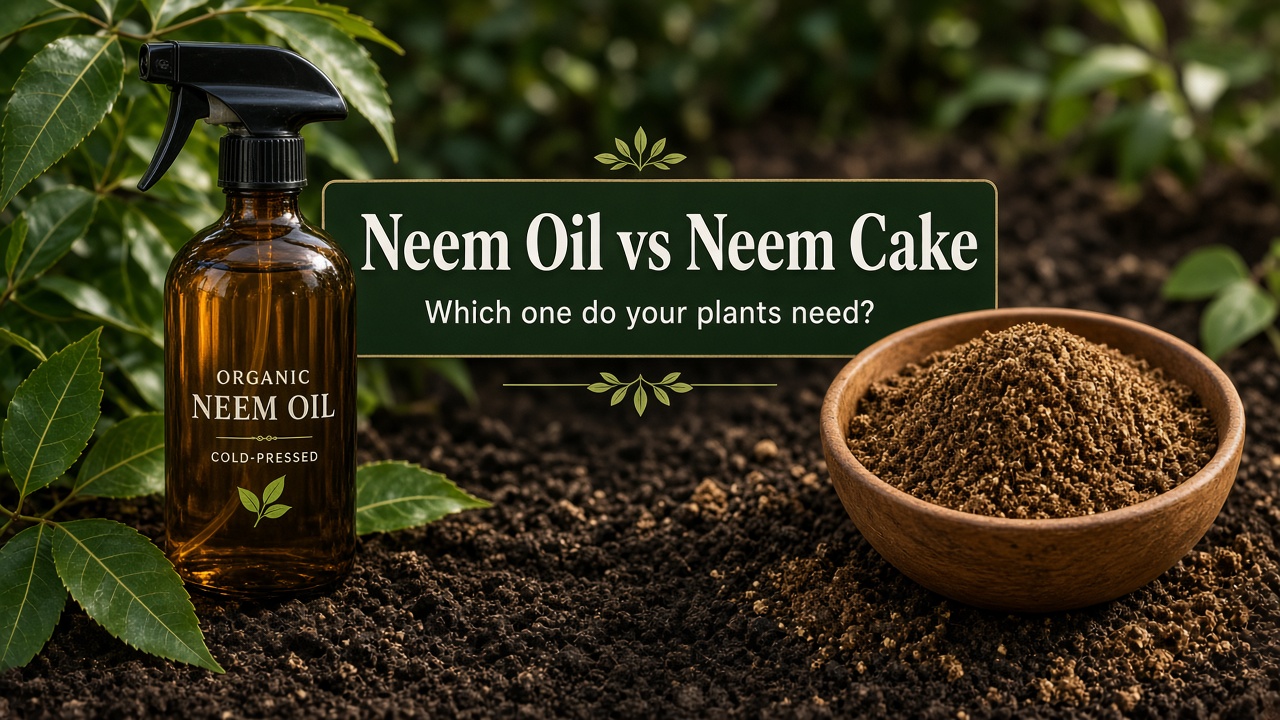
5. Neem Cake
While primarily known as a natural pest deterrent, neem cake also slowly releases nitrogen and improves overall soil health, making it a useful base-layer amendment alongside vermicompost.
6. Seaweed / Kelp Extract
Rich in trace minerals and natural growth hormones, seaweed extract is often used as a supplementary foliar feed to improve stress tolerance and flowering consistency, particularly in extreme heat.
Best Fertilizer for Hibiscus Plants
Hibiscus is one of the most rewarding flowering plants to grow — but also one of the quickest to show feeding mistakes, usually through smaller blooms, bud drop, or slowed flowering.
What hibiscus needs most: a steady nutrient base plus a potassium boost. Hibiscus is a heavy, continuous bloomer, so it benefits from more frequent feeding than many other flowering plants.
A simple hibiscus feeding routine:
- Base feed: Mix vermicompost into the soil every 3–4 weeks to maintain steady nutrition.
- Bud-stage boost: Once flower buds begin forming, add a potassium-rich amendment (potash) to support larger, more vividly coloured blooms.
- Weekly tonic: A diluted vermiwash spray every 7 days supports faster nutrient absorption through the leaves, especially useful during peak flowering months.
Avoid excess nitrogen — too much leafy growth on hibiscus often comes at the direct cost of flower production.
Common hibiscus feeding mistakes: over-watering combined with over-feeding (which encourages root stress rather than blooms), and feeding too heavily with nitrogen-dominant inputs instead of potassium-focused ones during budding.
Best Fertilizer for Rose Plants
Roses are more particular than hibiscus about timing — feeding at the wrong stage often shows up as weak stems, fewer buds, or pale blooms.
What roses need most: phosphorus early (for root and bud development), followed by potassium once buds appear (for bloom size, colour, and longevity).
A simple rose feeding routine:
- At planting: Work bone meal into the soil to establish strong root and early bud development.
- Vegetative stage: Feed with vermicompost every 3–4 weeks to build overall plant health.
- Budding stage: Switch to a potash-rich feed to support larger, longer-lasting blooms and richer colour.
- After pruning: Roses respond well to a light vermicompost feed after each pruning cycle, supporting the next flush of growth.
Common rose feeding mistakes: applying nitrogen-heavy feeds right before or during budding (which delays flowering), and skipping potassium, which is often the missing nutrient behind small or short-lived blooms.
How Much and How Often to Fertilize
A simple, low-risk feeding rhythm for most potted flowering plants:
- At potting/repotting: mix vermicompost into the potting soil as a base layer.
- Vegetative stage (before buds appear): feed every 3–4 weeks with vermicompost or a diluted vermiwash drench.
- Bud-to-bloom stage: switch focus to phosphorus and potassium — this is when bone meal or potash-rich feeds make the biggest difference. Vermiwash applied every 7 days works well here as a lighter, faster-acting supplement.
- Post-bloom: ease off feeding to let the plant rest before its next flowering cycle.
Exact quantities depend on pot size, the number of pots, and the plant variety — which is where a lot of home gardeners tend to either under- or over-feed.
Try Our Free Gardening Calculators
Not sure how much vermicompost or potting mix your pots actually need? Skip the guesswork.
- Vermicompost Dosage Calculator — enter plant type or area for how much to use and how often.
- Potting Mix Pack Size Calculator — enter pot size and count for the right pack size to order.
Common Flowering Plants and What They Respond To
| Plant | Feeding Focus |
|---|---|
| Rose | Bone meal at planting; potash-rich feed during budding |
| Hibiscus | Regular vermicompost; potassium boost for larger blooms |
| Marigold | Light, frequent vermiwash feeds; avoid excess nitrogen |
| Petunia | Balanced vermicompost base + potash during flowering |
| Jasmine | Vermicompost combined with occasional seaweed extract |
| Bougainvillea | Minimal nitrogen; phosphorus-potassium focus for bloom colour |
Signs You’re Fertilizing the Wrong Way
- Lots of leaves, no flowers → too much nitrogen, not enough phosphorus/potassium
- Buds form but drop before opening → inconsistent watering or a potassium deficiency
- Pale, small blooms → likely a potassium or micronutrient shortfall
- Slow, weak growth overall → check both nitrogen levels and soil compaction; vermicompost helps address both
FAQs
What is the best fertilizer for hibiscus plants?
A vermicompost base applied every 3–4 weeks, combined with a potassium-rich feed (potash) once buds form, gives hibiscus the steady nutrition and bloom-boosting potassium it needs. A weekly diluted vermiwash spray adds a fast-acting supplement during peak flowering.
What is the best fertilizer for rose plants?
Bone meal at planting supports strong root and bud development, while a potash-rich feed during the budding stage improves flower size, colour, and longevity. Vermicompost every 3–4 weeks maintains overall plant health in between.
What is the best organic fertilizer for flowering plants overall?
There isn’t one single product — vermicompost provides the steady nutritional base most flowering plants need, while phosphorus and potassium-focused amendments like bone meal and potash should be added once budding begins.
How often should I fertilize hibiscus and rose plants?
Both respond well to a vermicompost feed every 3–4 weeks, with a potassium-focused boost added specifically during the budding stage, roughly once every 2–3 weeks during active flowering.
Can I use the same fertilizer for hibiscus and rose?
Largely yes — both benefit from a vermicompost base and a potassium boost during budding. The main difference is roses respond especially well to bone meal at planting, which isn’t as critical for hibiscus.
Conclusion
The best fertilizer for flowering plants isn’t a single product — it’s the right combination of organic inputs, applied at the right stage. Vermicompost builds the foundation, vermiwash gives a fast-acting boost exactly when it’s needed, and targeted amendments like bone meal or potash finish the job during budding.
Whether you’re growing hibiscus, roses, or a full flowering border, a base of vermicompost plus a potassium boost during the bud-to-bloom stage covers the vast majority of feeding needs — no complicated chemical schedules required.