30 Jul 2026 4 min read
Aphids on Hibiscus Plants: How to Spot Them and Get Rid of Them Naturally
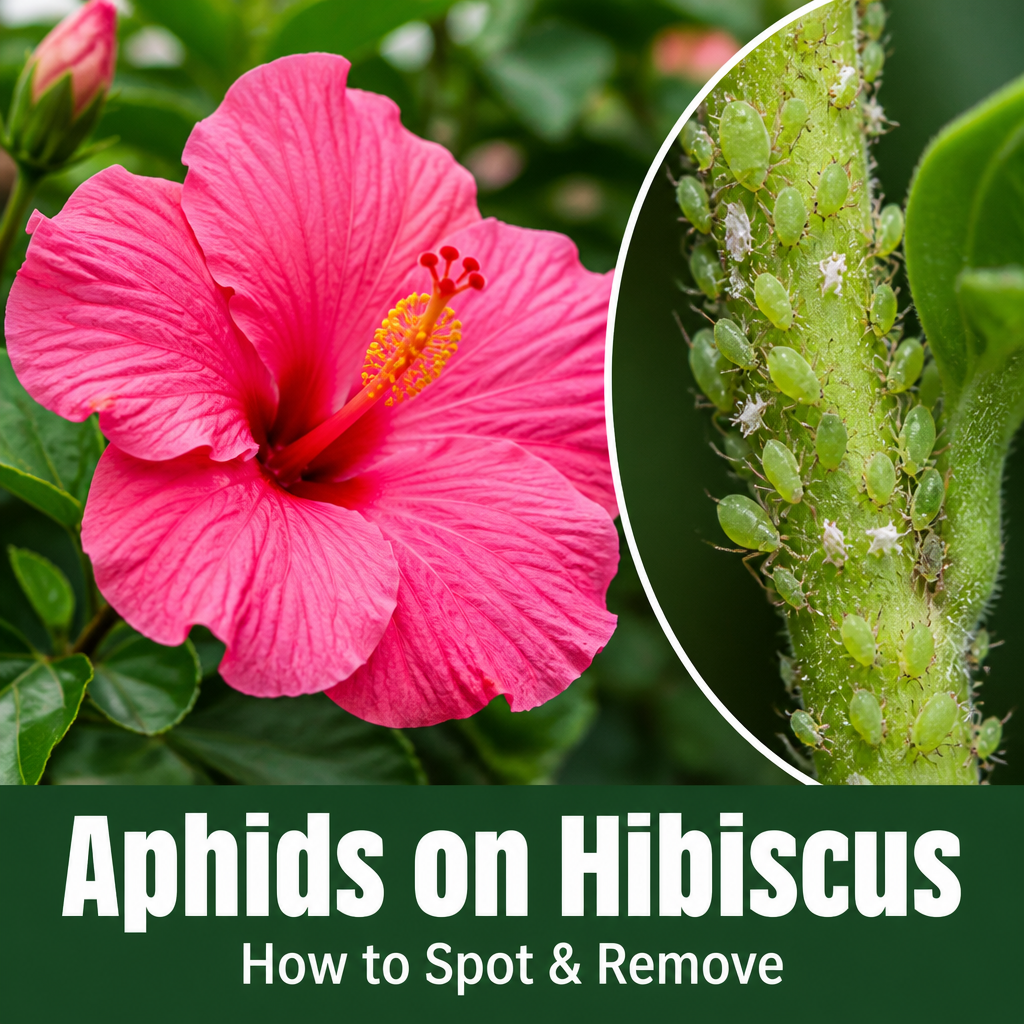
Few things are more frustrating for a hibiscus grower than watching new buds curl, yellow, or drop before they ever get the chance to bloom. More often than not, the culprit is tiny, green, and clustered along the stem: aphids. Aphids on hibiscus plants are one of the most common pest problems home gardeners face, and left untreated, they can weaken even a healthy, established plant fairly quickly.
The good news is that aphid infestations are highly treatable — and in most cases, you don’t need harsh chemical pesticides to bring them under control.
Why Hibiscus Plants Attract Aphids
Hibiscus plants produce soft new growth, tender buds, and sugar-rich sap that aphids find especially appealing. New shoots, flower buds, and the undersides of young leaves are their favourite feeding spots, which is exactly where infestations tend to start and spread fastest.
Signs of an Aphid Infestation
- Clusters of small green, black, or yellow insects on stems, buds, and the undersides of leaves
- Curled, distorted, or yellowing new leaves
- Sticky residue (honeydew) on leaves or nearby surfaces
- Buds that drop before opening
- Sooty black mold developing on honeydew-coated leaves
- Ants moving actively along stems (ants often “farm” aphids for their honeydew)
How to Get Rid of Aphids Naturally
1. Blast Them Off With Water
For light infestations, a strong, direct spray of water can physically knock aphids off the plant. Repeat every couple of days until numbers drop noticeably.
2. Use Neem Oil for Aphids
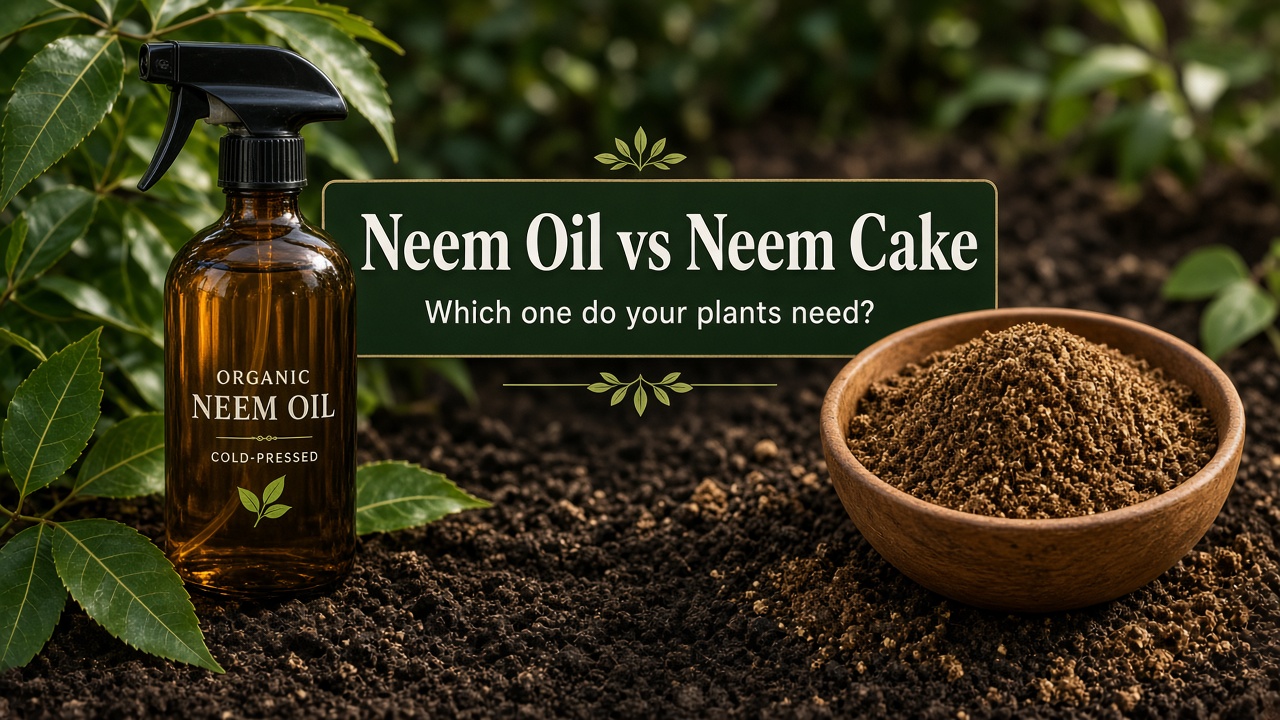
Neem oil for aphids is one of the most effective and widely used organic treatments available. It disrupts the aphids’ feeding and reproductive cycle without harming beneficial pollinators when applied correctly. Mix diluted neem oil with a small amount of mild soap (as an emulsifier) and water, then spray thoroughly across affected stems, buds, and the undersides of leaves. Apply in the early morning or evening to avoid leaf burn in direct sun.
3. Introduce Natural Predators
Ladybugs and lacewings are natural aphid predators. Encouraging these beneficial insects into your garden — by avoiding broad-spectrum pesticides and planting companion flowers like dill or marigold — can help keep aphid populations in check over time.
4. Apply Neem Powder to the Soil
Beyond foliar sprays, working neem powder into the surrounding soil supports the plant’s overall resistance to pests from the root level up, complementing direct treatment on the leaves and buds.
5. Prune Heavily Infested Growth
If certain shoots are overwhelmed, it’s often more effective to prune them out entirely rather than trying to treat them, preventing the infestation from spreading further across the plant.
Hibiscus Pest Control: Prevention Tips
Treating an active infestation is only half the job — preventing the next one matters just as much:
- Inspect new growth and buds weekly, since aphids multiply quickly and are easiest to control early
- Avoid over-fertilizing with high-nitrogen feeds, which encourage the soft, sappy growth aphids prefer
- Maintain good airflow around the plant by spacing hibiscus adequately and pruning excess growth
- Keep ants away from the base of the plant, since they actively protect and spread aphid colonies
Aphid Infestation Treatment: What to Expect
With consistent treatment — typically neem oil applications every 5–7 days along with manual removal — most aphid infestations on hibiscus plants clear up within two to three weeks. Persistence matters more than intensity here; a mild neem spray applied consistently outperforms a single aggressive treatment.
For more on how SACS Vanya approaches organic, chemical-free plant care, see Empowering Every Gardener.
FAQs
Are aphids harmful to hibiscus plants long-term?
Yes, left untreated aphids can stunt growth, prevent flowering, and weaken the plant’s resistance to other pests and diseases due to prolonged sap loss.
How often should I apply neem oil for aphids?
Every 5–7 days until the infestation clears, then periodically as a preventive measure during growing season.
Do ladybugs really help control aphids?
Yes, a single ladybug can consume dozens of aphids a day, making them one of the most effective natural pest control allies for hibiscus growers.