10 Apr 2026 7 min read
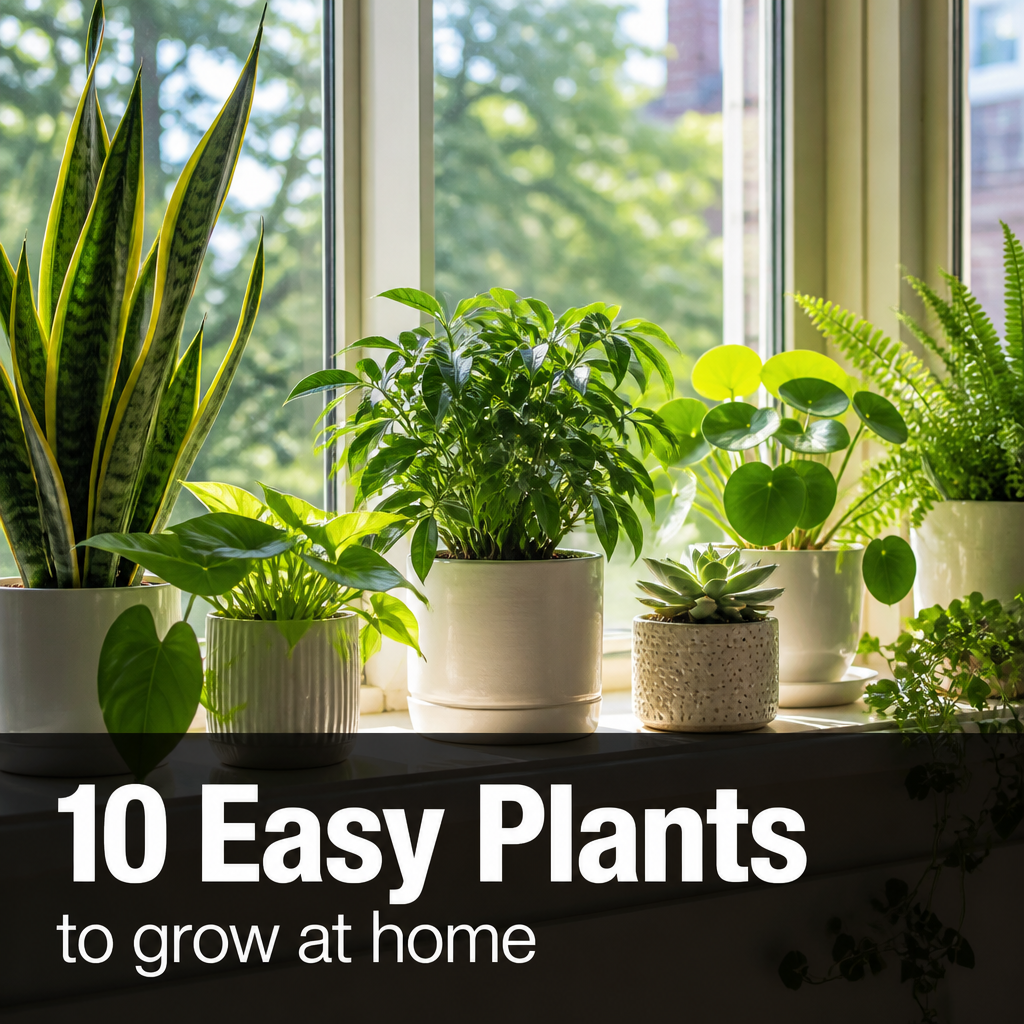
10 Easy Plants to Grow at Home for Beginners
Starting a home garden doesn’t require expert skills or expensive tools. Pick the right beginner-friendly plants, follow a few simple organic practices, and anyone can grow fresh, healthy greenery at home.
If you’re just getting started, this guide will help you choose low-maintenance plants that grow easily — even if you make a few small mistakes along the way.
Why Beginner-Friendly Plants Matter
Not all plants are equally easy to grow. Some need strict, consistent care, while others are far more forgiving of a missed watering or an off week.
A good beginner plant will:
- Tolerate irregular watering
- Adapt to different sunlight conditions
- Grow quickly, so you can see visible progress
- Build your confidence as a new gardener
Choosing the right plants to start with makes it easier to stay motivated and consistent — which matters far more than getting everything perfect from day one.
10 Easy Plants You Can Grow at Home
Here are ten low-maintenance plants that are ideal if you’re just starting out.
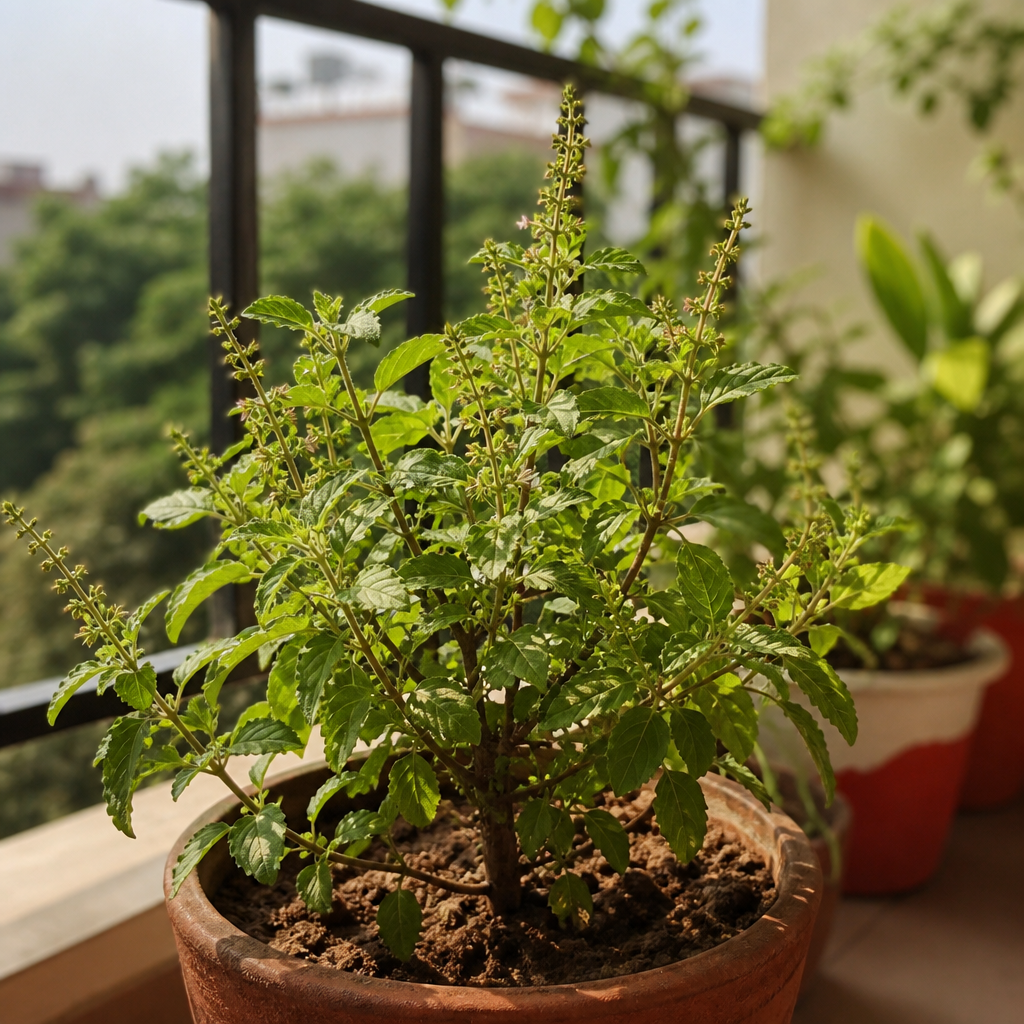
1) Tulsi (Holy Basil)
Tulsi grows easily in sunlight and needs only moderate watering to thrive. It's also valued for its medicinal and spiritual significance in Indian homes, making it one of the most commonly grown plants for beginners.
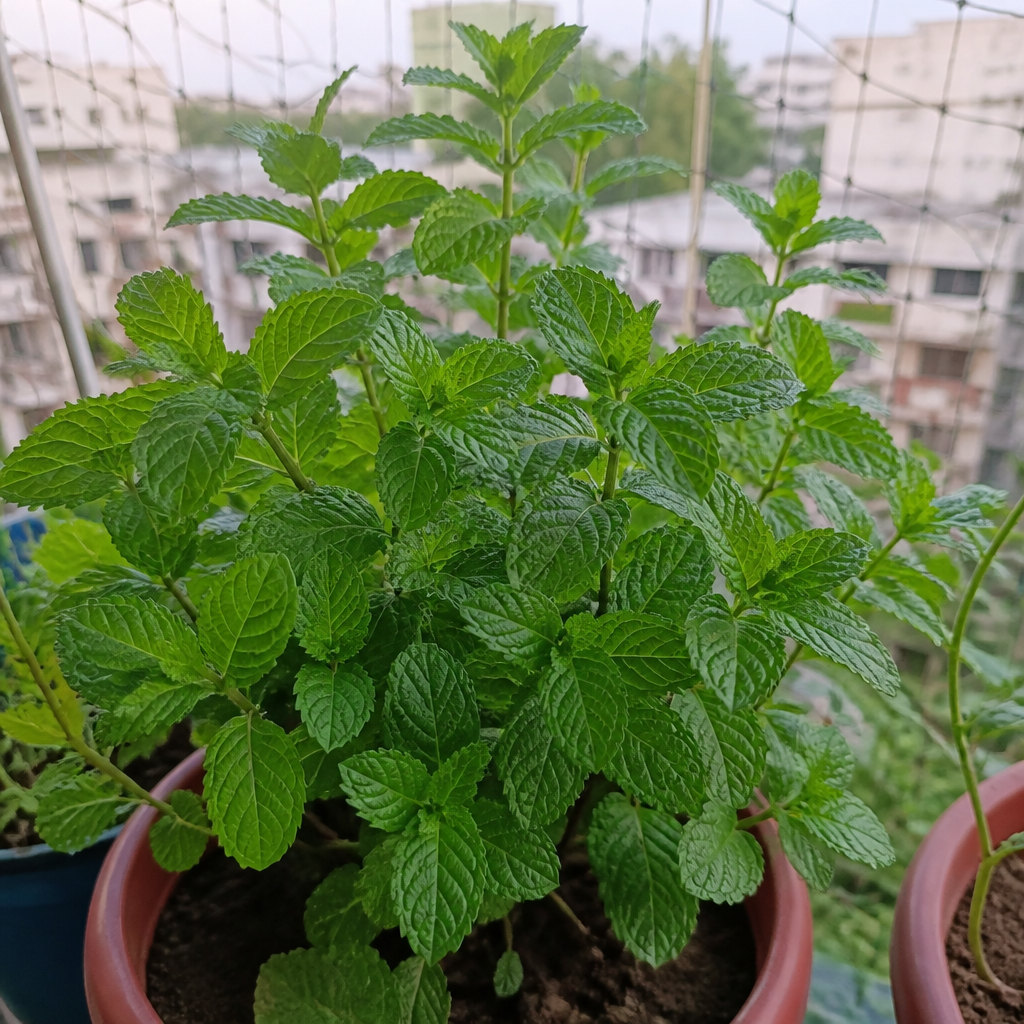
2) Mint
A fast-growing herb that rewards regular watering with quick, visible growth. Keep in mind that mint spreads quickly in containers, so it's best grown in its own pot.
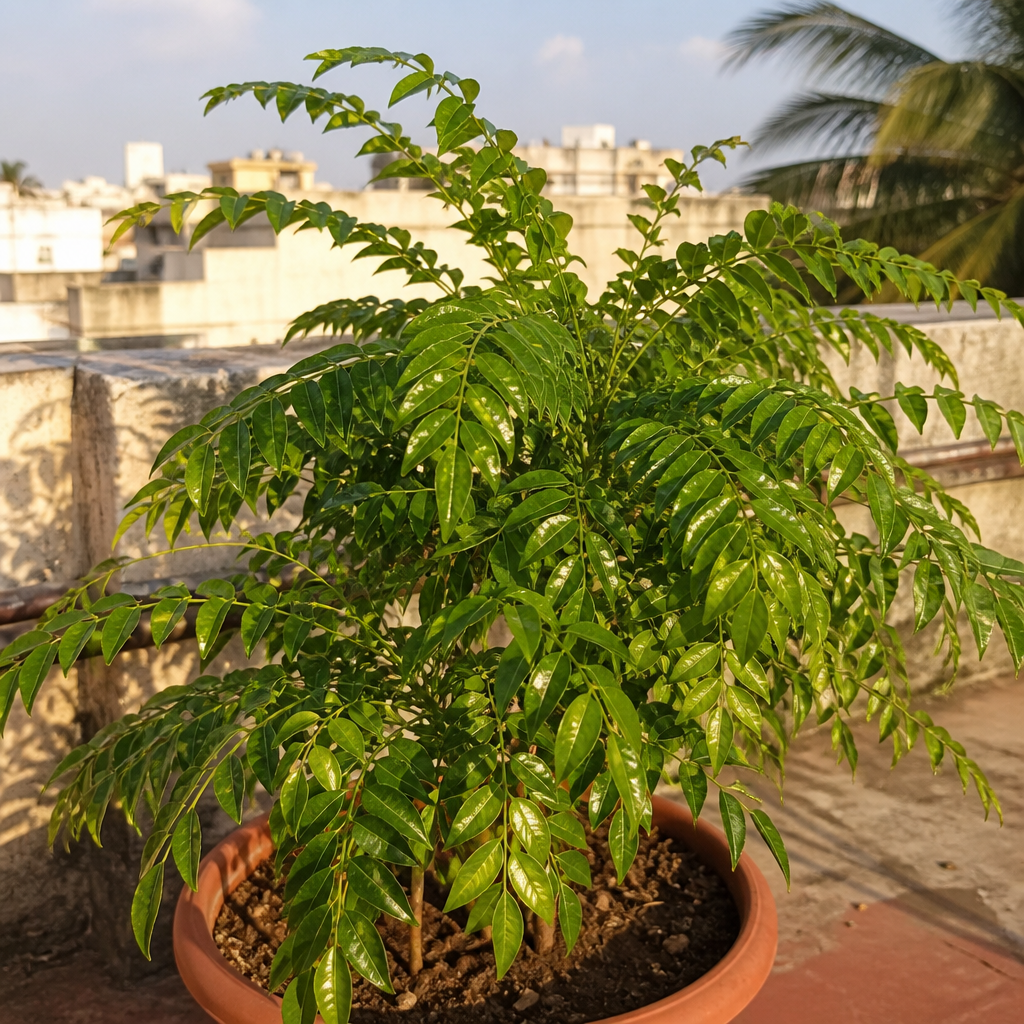
3) Curry Leaves
A staple for Indian kitchens, the curry leaf plant needs good sunlight and a bit of patience to establish, but rewards you with a long-lasting plant you can harvest from for years.
4) Spinach
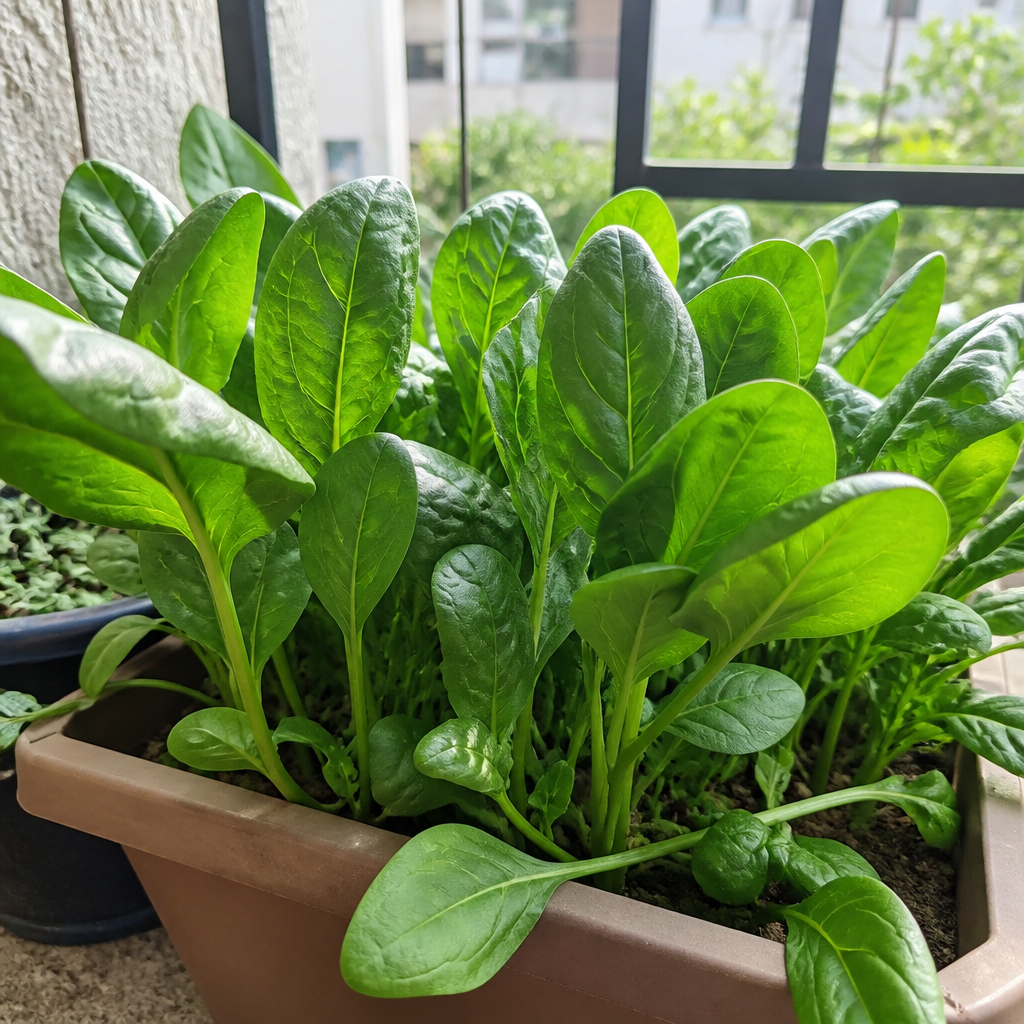
One of the quickest plants to harvest, often ready within just a few weeks. It grows well even in small pots, though it does need regular watering to stay healthy.
5) Green Chili
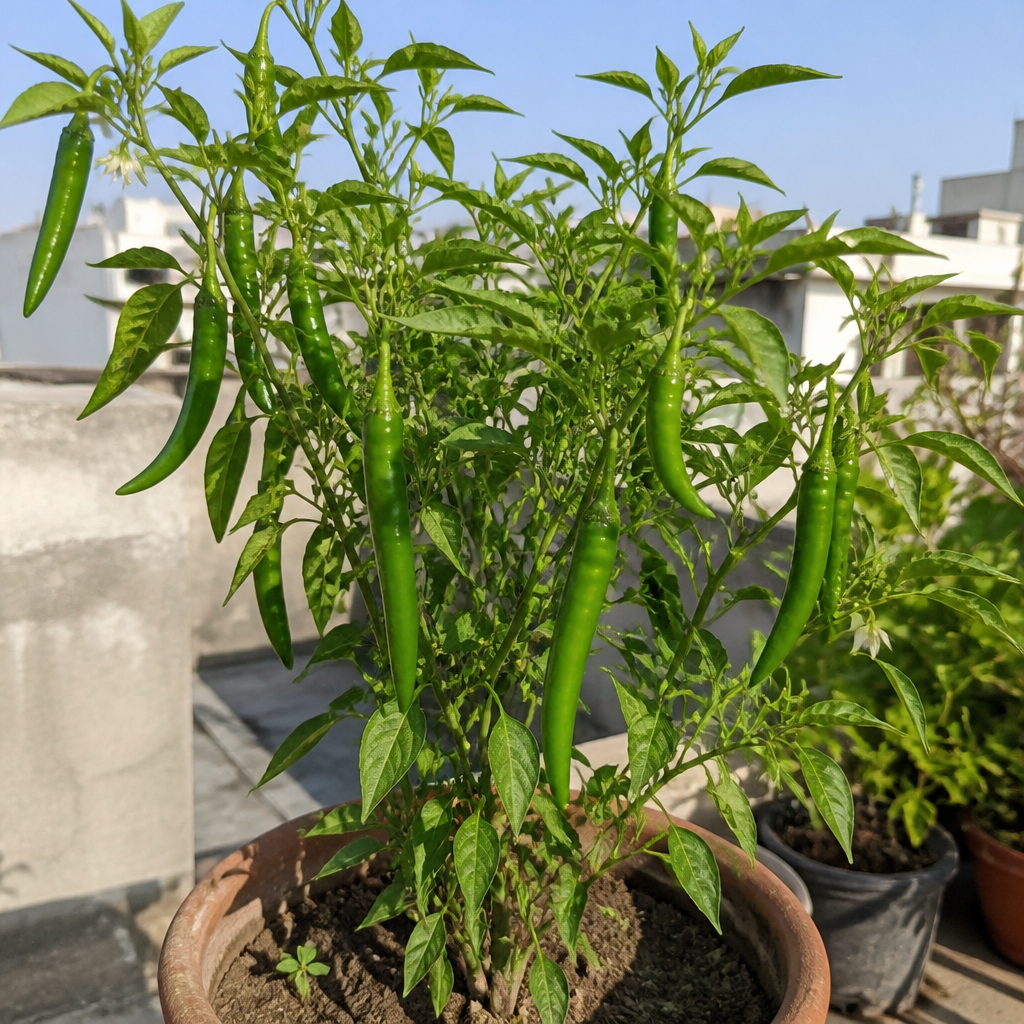
An easy vegetable to grow at home. It needs good sunlight, and once established, a single plant can give you multiple harvests over its growing season.
6) Aloe Vera
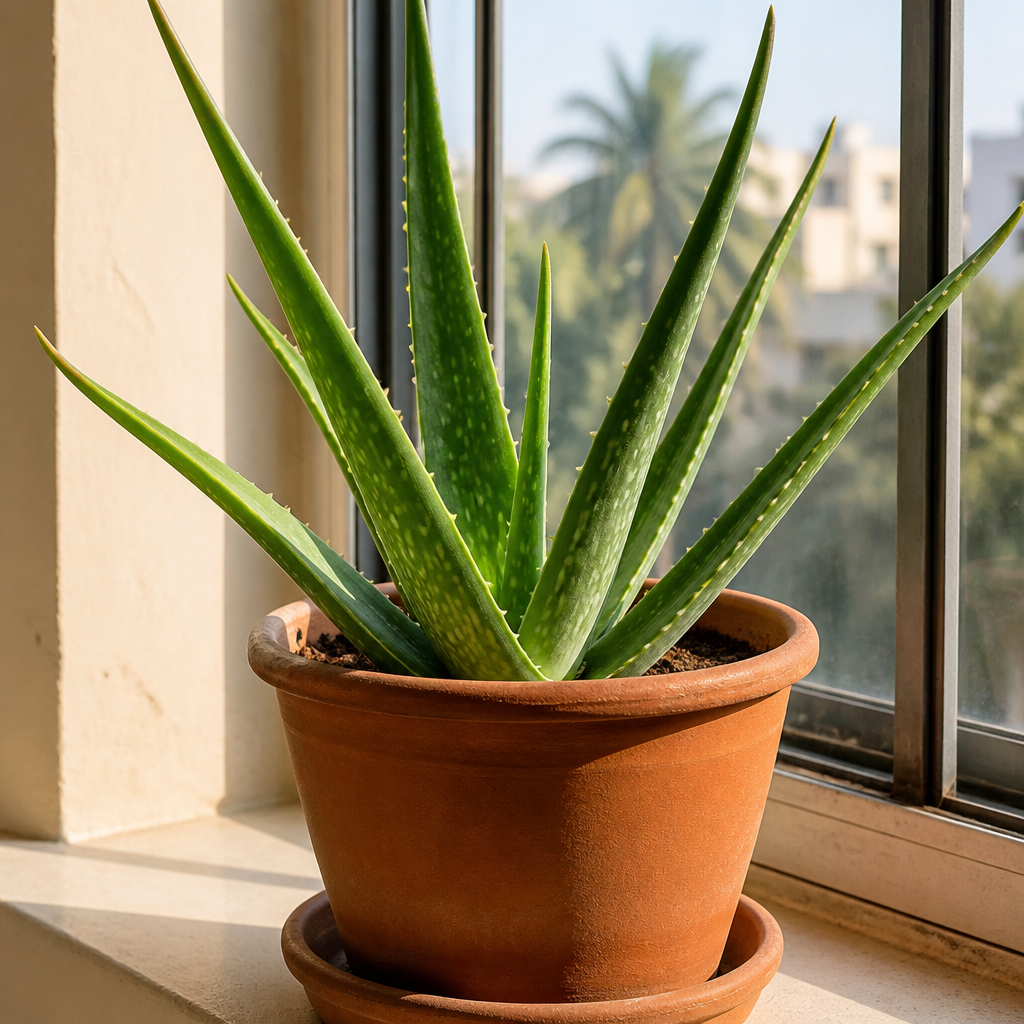
About as low-maintenance as plants get -- aloe vera needs minimal watering and is a great option if you tend to forget your plants for a few days. It's also useful for skin care, which makes it a popular first pick.
7) Money Plant
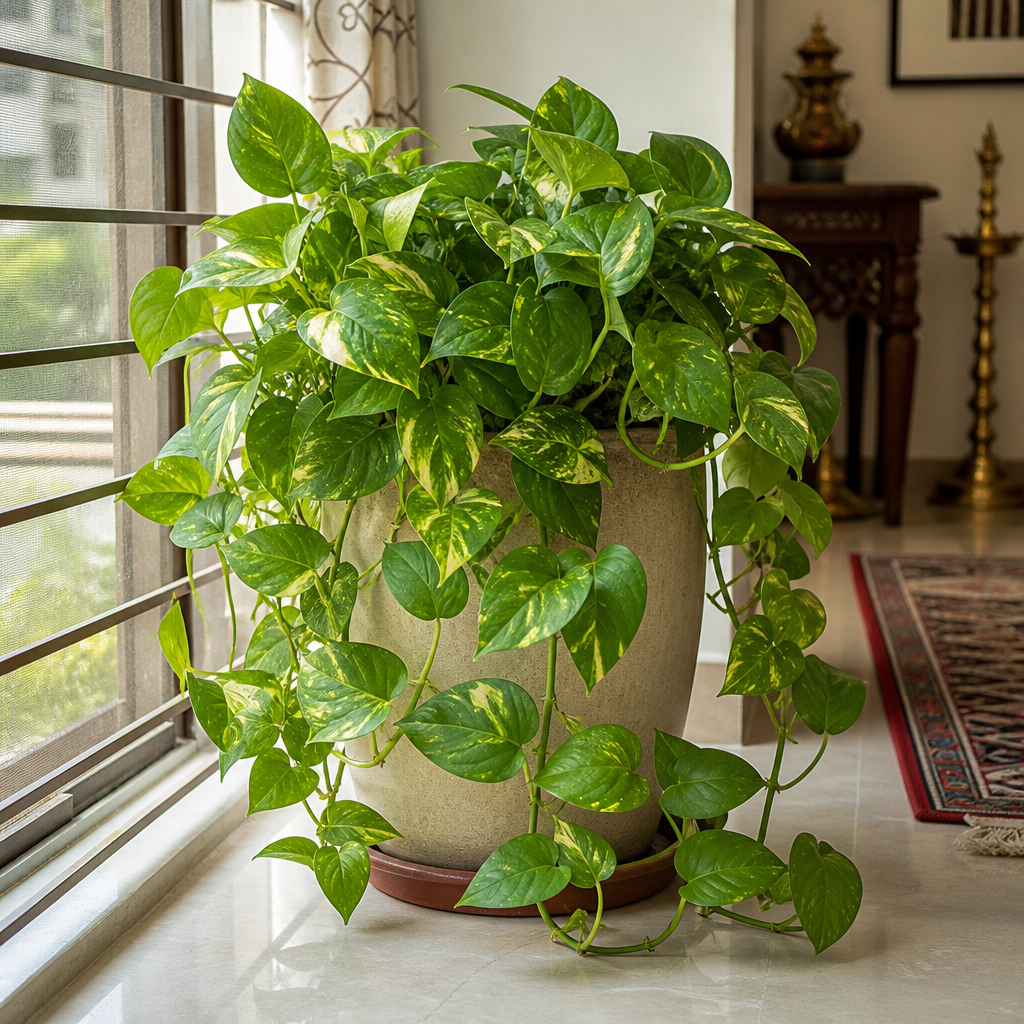
A flexible, forgiving plant that can grow in water or soil, making it perfect for indoors. It prefers indirect sunlight rather than harsh direct sun.
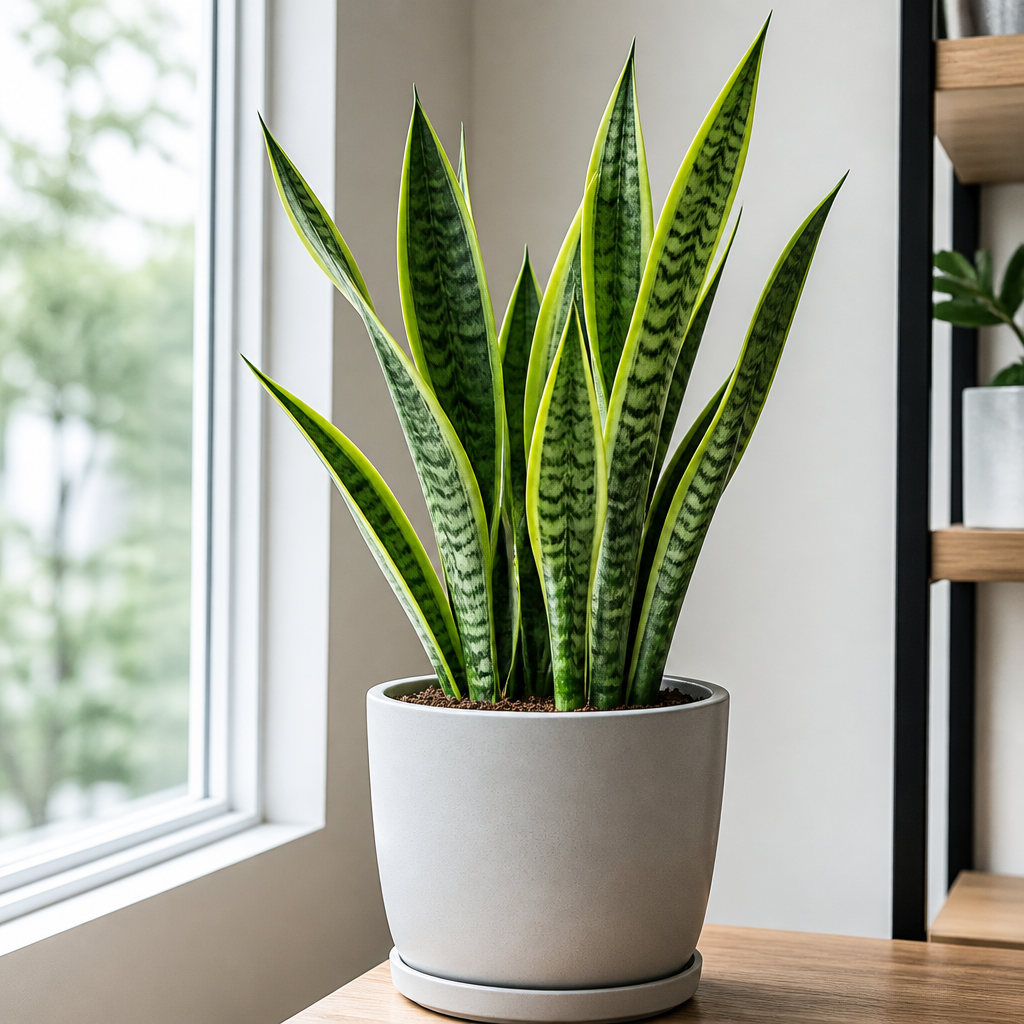
8) Snake Plant
One of the toughest plants for beginners -- it survives in low light and needs very little water, which makes it especially well-suited to bedrooms or dimmer corners of the home.
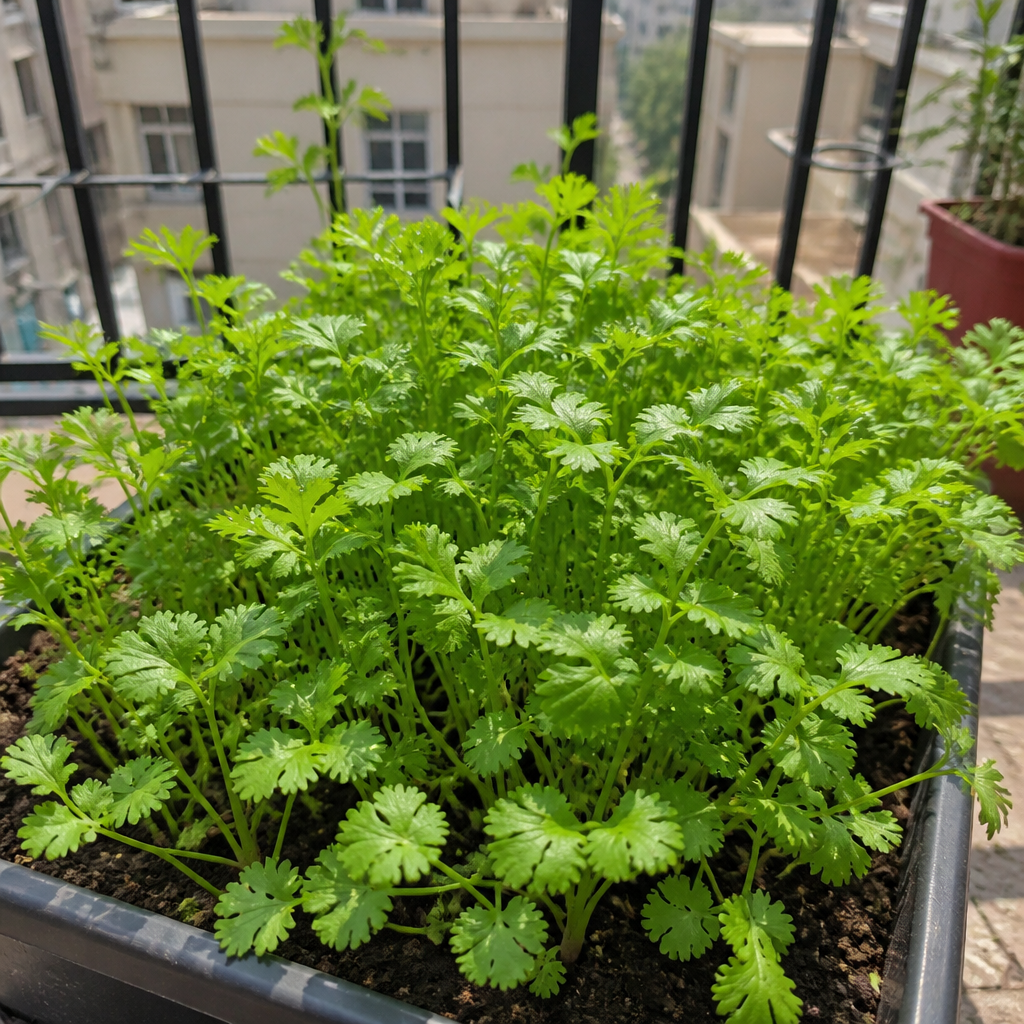
9) Coriander
A fast-growing herb best started from seed. It does need more frequent watering than most plants on this list, but rewards you with fresh leaves within weeks.
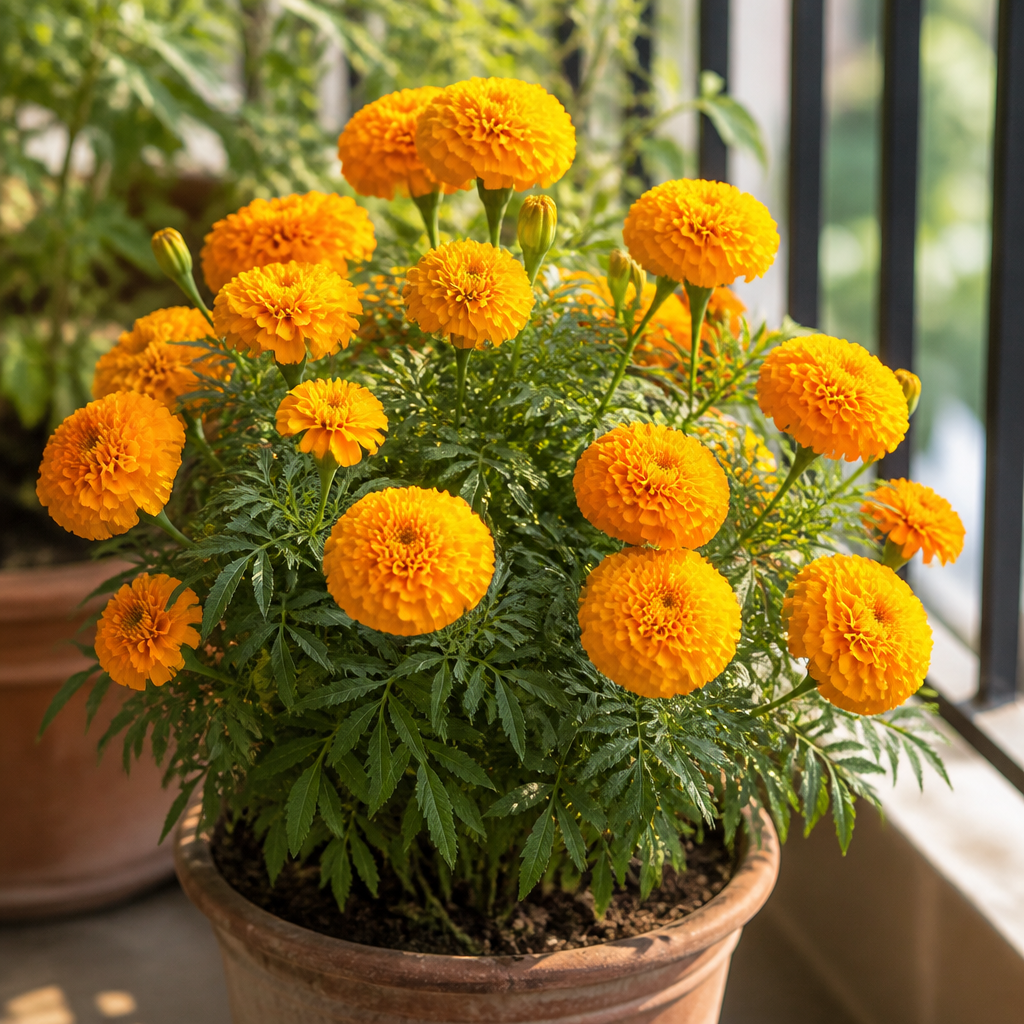
10) Marigold
A bright, cheerful flowering plant that's genuinely easy to maintain. As a bonus, marigolds naturally help repel pests, making them useful neighbors for other plants nearby.
Best Setup for Healthy Growth
The right setup makes a real difference to how well any of these plants grow.
- Use containers with proper drainage holes, so excess water has somewhere to go.
- Prepare your soil using a mix of:
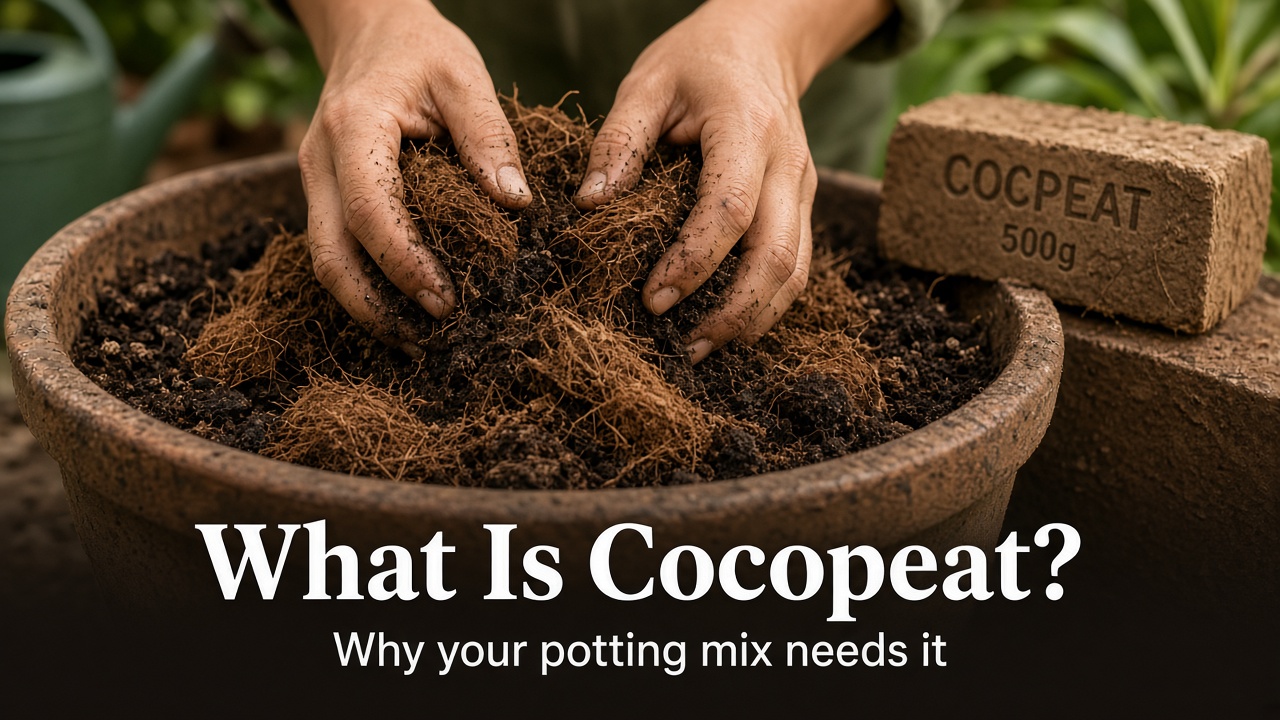
- Cocopeat, for moisture retention
- Compost, for nutrients
- Garden soil, for structure
A balanced soil mix improves root growth and helps prevent the overwatering problems that often trip up new gardeners.
Organic Feeding for Beginners
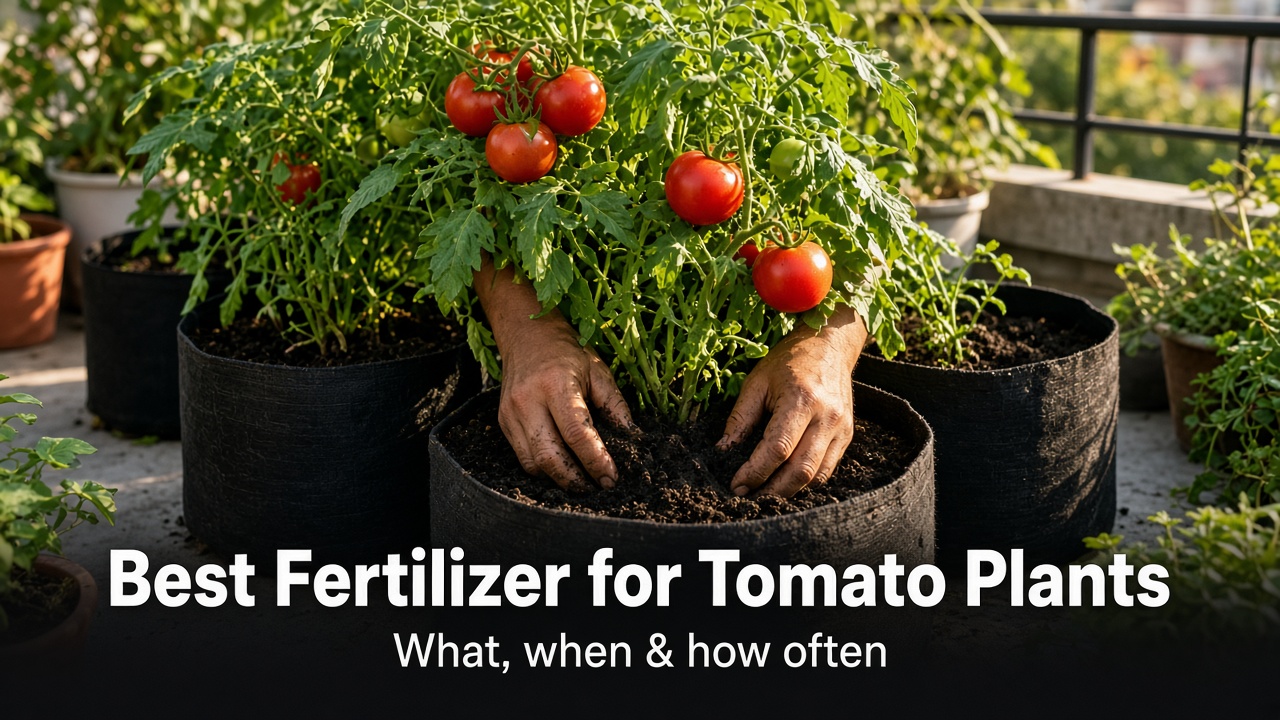
Plants need regular nutrients to grow strong and stay healthy, especially in containers where the soil’s natural nutrients run out faster.
- Feed your plants every 2-3 weeks.
- Use organic options such as compost, a good vermicompost fertilizer, or a liquid plant feed.
Organic feeding does more than just feed the plant in front of you — it improves the soil itself over time, supporting healthier growth season after season.
Keep Pests Away Naturally
Pests are a common part of gardening, but you don’t need harsh chemicals to deal with them.
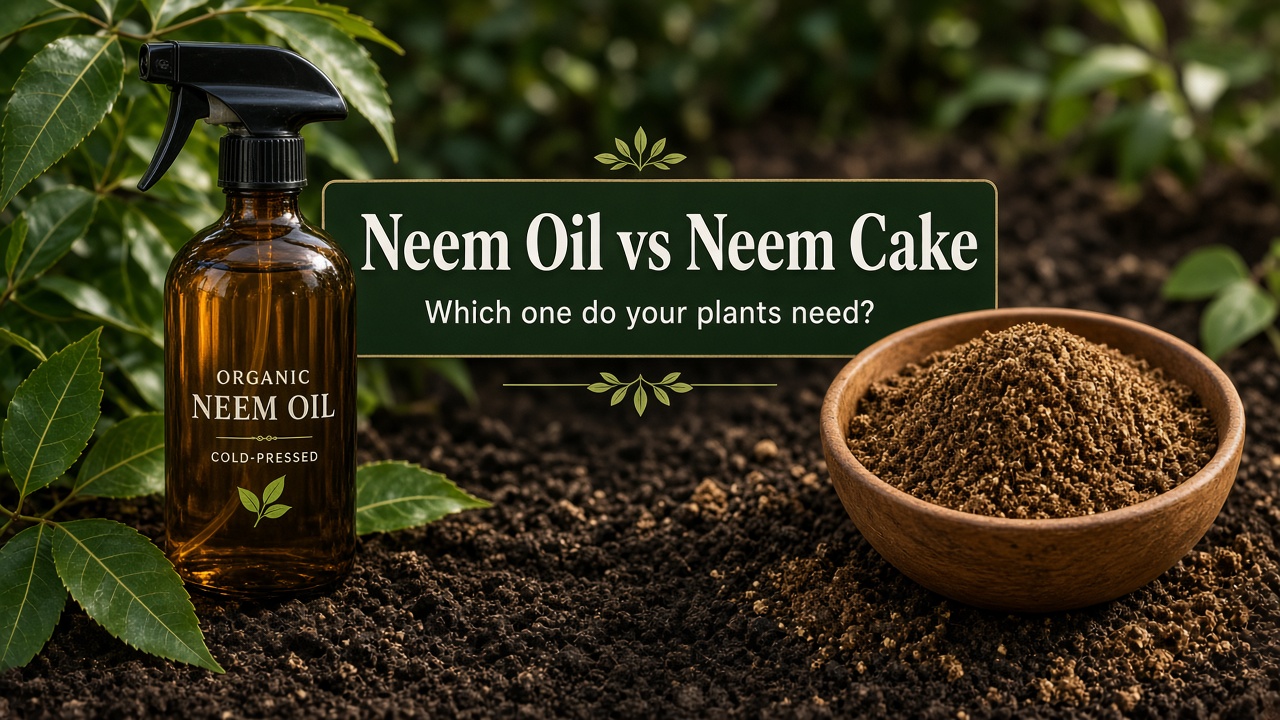
- Use a natural spray, such as a neem-based organic pesticide.
- Spray once every 7-10 days as a preventive routine.
- Apply early in the morning or in the evening, when temperatures are cooler.
This keeps your plants protected while still being gentle on the beneficial insects your garden needs.
Final Thoughts
Starting small is the real key to success in gardening. Pick 2-3 plants from this list, get comfortable with their care routine, and expand your garden gradually from there.
Consistency matters far more than perfection. Even with basic, attentive care, these beginner-friendly plants will reward you with fresh leaves, flowers, and a growing sense of confidence as a gardener.
FAQ
Which plant is the easiest to grow at home for a complete beginner?
Snake plant and aloe vera are two of the most forgiving options — both survive irregular watering and low light, making them a safe starting point if you’re new to gardening.
Do these plants need direct sunlight?
It depends on the plant. Tulsi, curry leaves, green chili, and marigold do best in good sunlight, while money plant and snake plant prefer indirect or low light, making them suitable for indoor spots.
How often should I water beginner-friendly plants?
Most of these plants need water when the top inch of soil feels dry, rather than on a fixed daily schedule. Aloe vera and snake plant need watering far less often than herbs like mint or coriander.
How often should I feed my plants?
Every 2-3 weeks with an organic feed such as compost or vermicompost is enough for most beginner plants, since overfeeding can do more harm than underfeeding.
Can I grow all 10 of these plants together in a small space?
Yes, but it’s better to start with 2-3 plants first. Once you’re comfortable with their care routine, you can gradually add more without feeling overwhelmed.